




Books for less
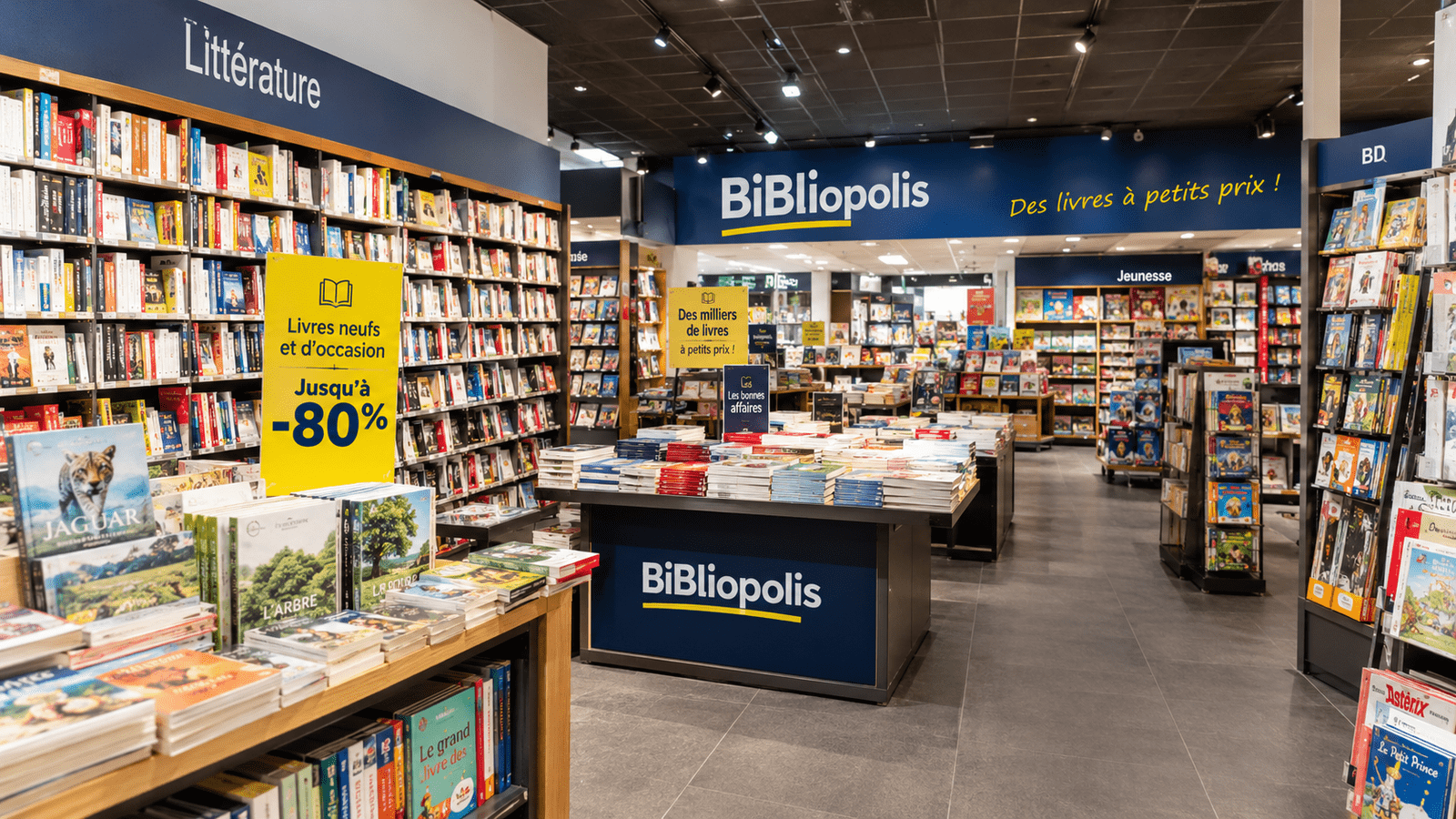
A Belgian bookstore franchise built around discounted books, affordable investment options and a central purchasing system designed to support independent retailers.

In this article you will learn
- The main features of Bibliopolis’s discounted-book retail model.
- The costs of opening a bookstore under the Belgian brand.
- The monthly charges and marketing contribution required from partners.
- The training and practical assistance available to new store owners.
- The financial forecast and planned development of the network.
Bibliopolis is a Belgian bookstore network specialising in new and second-hand books sold at reduced prices. Its business model focuses on book clearance, offering customers access to thousands of titles across categories including fiction, comics, cooking, travel, sport, nature and medicine. Discounts can reach 80% off the original retail price, making the concept attractive to price-conscious readers.
What distinguishes Bibliopolis from a conventional bookstore is its emphasis on discounted stock, centralised purchasing and a recognisable retail brand. Franchisees benefit from access to a dedicated purchasing centre, a shared product assortment and management tools designed to simplify daily operations. The company has more than 20 years of experience in the discounted-book market.
Bibliopolis operates primarily in French-speaking Belgium, with stores in locations including Brussels, Liège, Mons, Namur and Wavre. Its current network is concentrated in Belgium rather than spread across multiple international markets. The company is seeking franchise partners to develop additional locations in selected areas, including Nivelles and Tournai. Its model therefore offers an opportunity for entrepreneurs interested in establishing a local bookstore under an existing brand.
Investment and franchise requirements
Becoming a Bibliopolis franchisee begins with submitting an application through the company's official franchise website. Candidates are invited to an initial meeting at the company's headquarters, followed by a discovery day in an existing store. Once the application and business project have been assessed, the parties sign a franchise agreement and approve the proposed location. Bibliopolis can also help candidates identify suitable premises and prepare a financing application.
The franchise agreement runs for three years and can be renewed. The recommended minimum retail space is 100 square metres. The initial investment generally ranges from €50,000 to €150,000, depending on the size of the store and the project. This budget covers the principal costs associated with fitting out the premises, purchasing merchandise and acquiring computer equipment. The initial franchise fee is €10,000 excluding VAT.
Ongoing fees consist of a fixed brand royalty of €500 per month, excluding VAT, and a marketing contribution equivalent to 1% of monthly turnover excluding VAT. Bibliopolis states that it does not charge a commission on sales. Franchisees must purchase new discounted books through the network's central purchasing system, which helps maintain a consistent offer and supports competitive pricing.
The company provides assistance throughout the launch process, including training in an existing store, help with store layout and preparation, access to its purchasing centre and management tools, and marketing support. Franchisees also receive ongoing guidance, regular training opportunities and operational follow-up. According to the company, opening a new store typically takes three to four months.
Revenue potential and future development
Bibliopolis publishes a simplified financial forecast to illustrate the potential economics of a franchise. In its example, a store generates annual turnover of €235,000 excluding VAT. The projected expenses include €100,000 for merchandise and transport, €23,500 for rent, €70,500 for personnel and salaries, and the applicable franchise and marketing fees. After the other listed operating costs and an investment loan repayment, the example shows a positive balance of €5,229 before corporate tax.
This forecast is an illustration rather than a guarantee of profitability. Actual results will depend on the location, rent, staffing requirements, purchasing costs, customer demand and the franchisee's management of the business. Prospective owners should prepare their own financial projections and confirm the assumptions with the franchisor before committing capital.
The franchisee's principal responsibilities include managing the store, purchasing and monitoring stock in accordance with the franchise agreement, serving customers, maintaining an attractive book selection and promoting the business locally. They must also manage staffing, operating costs and sales performance while respecting the network's standards.
Bibliopolis's development strategy focuses on strengthening its presence in French-speaking Belgium by recruiting new franchisees and opening stores in underserved locations. Its published franchise opportunities include Nivelles and Tournai, demonstrating an intention to expand the existing network. For entrepreneurs seeking to enter the bookselling market, Bibliopolis offers a defined retail concept, central purchasing and structured launch support, with an investment level that varies according to the scale of the planned store.
Main conclusions
- €10,000 – Initial franchise fee, excluding VAT.
- €50,000–€150,000 – Estimated total investment required to open a store.
- €500 per month – Fixed franchise royalty, excluding VAT.
- 1% of turnover – Marketing contribution based on monthly sales, excluding VAT.
- 100 m² – Recommended minimum store area.
- 3 years – Initial franchise agreement term, renewable.
- 3–4 months – Typical time required to open a new store.
- €235,000 – Annual turnover used in the company's illustrative financial forecast, excluding VAT.
- €5,229 – Projected balance in the illustrative financial example, after the listed costs and loan repayment but before corporate tax.
- Belgium – The network's principal market, with further development planned in French-speaking regions.


Shopping cart
Added to your shopping cart






Other concepts from sector consumer services

Breaking news
Show all
Natural wellness
Vitamix offers entrepreneurs a retail franchise focused on natural products, dietary supplements and organic foods, backed by an established...

Franchise Expo Warsaw 2026
The 24th Franchise Expo in Warsaw took place on 22–23 October at the Palace of Culture and Science, bringing together around 100 exhibitors and...
Fries reimagined
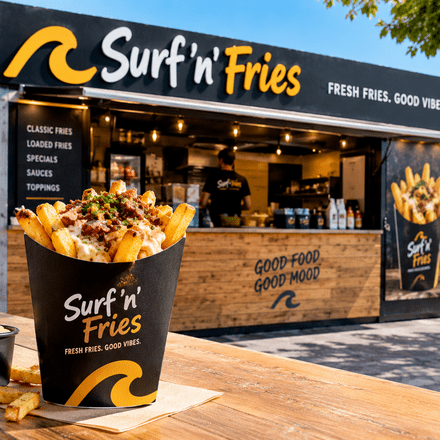
A Croatian street-food franchise built around gourmet fries, distinctive packaging and flexible business formats for entrepreneurs entering the...
Cycling forward
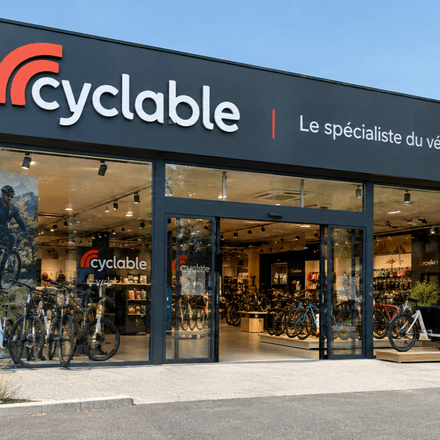
Cyclable combines specialist bicycle retail, expert servicing and a proven franchise model for entrepreneurs investing in sustainable mobility.