




Franchise Expo Warsaw 2026
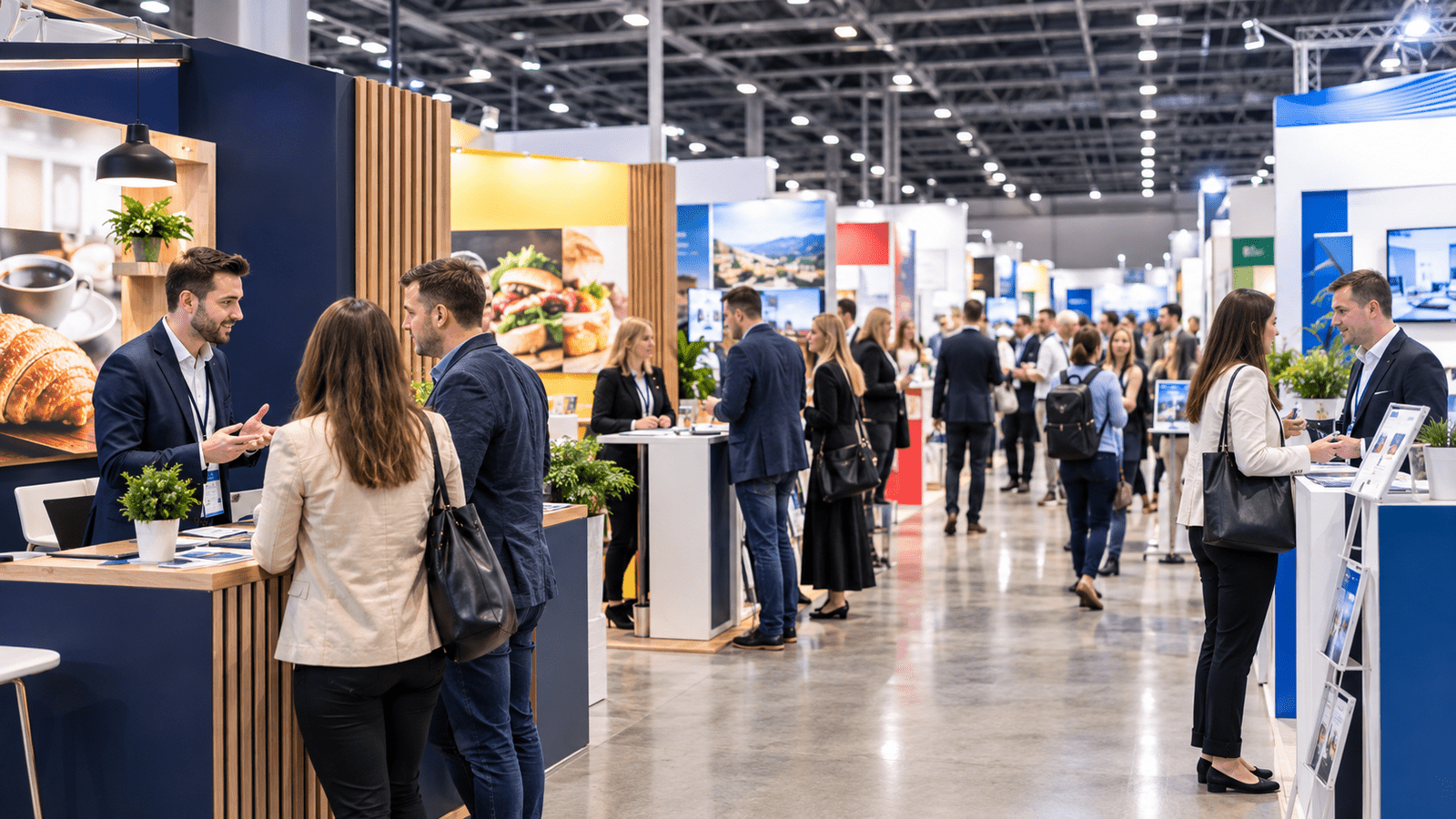
The 24th Franchise Expo in Warsaw took place on 22–23 October at the Palace of Culture and Science, bringing together around 100 exhibitors and entrepreneurs seeking new business opportunities.

In this article you will learn
- Key trends shaping the Polish franchise market in 2026
- How traditional franchise networks are adapting their business models
- New opportunities in automated fitness, self-storage and interactive entertainment
- Investment requirements and expansion plans of international franchise brands
- Why operational support, local demand and financial planning matter for franchise success
Over two days, the event showcased a wide range of concepts, from established retail and foodservice networks to automated fitness clubs, self-storage facilities and interactive entertainment venues.
The diversity of participating brands and business models offered insights into the direction of the Polish franchise market, highlighting both emerging opportunities and ongoing challenges for franchisors and franchisees.
Franchising is becoming more diverse
Traditional sectors such as foodservice and grocery retail remain important, but the franchise landscape is expanding well beyond them.
Da Grasso, one of Poland’s largest pizza franchise networks, presented two operating formats: a full-service restaurant and a smaller Express concept focused on takeaway and delivery. With around 200 locations, the network illustrates how established brands can adapt their formats to different locations, investment levels and customer habits.
Retail also remains a major part of the market. Żabka reported approximately 12,500 stores in Poland and more than 11,000 franchisees. Its network includes entrepreneurs from 15 different countries, demonstrating the diversity of people entering the franchise sector.
ROMET presented an alternative retail model in which merchandise remains the company’s property, while the franchise partner earns a commission for operating the store and generating sales. This approach differs from conventional retail models, where franchisees may need to commit significant capital to inventory.
These examples demonstrate that franchising is no longer based on a single standard business model. The structure of the partnership can be just as important as the brand itself.
New concepts are moving beyond traditional formats
Several exhibitors presented alternative approaches to established industries.
Just GYM by Medicover made its franchise debut, offering autonomous fitness clubs operating 24/7. One distinctive feature is the possibility of combining a gym with a Synevo medical testing point at selected locations, bringing fitness and healthcare services together within the wider Medicover ecosystem.
In the entertainment sector, Quiz Game Arena offers interactive venues designed around television-style quiz shows, using digital terminals, large screens, lighting and virtual hosting. The concept also sees potential in medium-sized cities, extending its target market beyond major metropolitan areas.
Boxado operates in the self-storage sector, combining automated rental and payment processes with the possibility of expanding facilities as local demand develops.
These concepts share a common approach: technology, specialised services and flexible operating formats are being used to create alternatives to conventional franchise businesses.
However, automation should not automatically be equated with passive income. Location, demand, capital requirements and operating costs remain critical factors in determining business performance.
International expansion works both ways
Poland continues to attract brands seeking entry into a new market, while domestic networks also have opportunities to expand internationally.
One of the notable announcements at the expo came from Hermanos Burgers, a fast-casual restaurant brand founded in Malta in 2020. The company operates five restaurants in Malta, alongside locations in Albania and Qatar, and is seeking franchise partners in Poland.
The expansion plans include two restaurant formats: a compact urban concept and a larger flagship restaurant. The company is looking for an initial partner in Warsaw or another major Polish city, with the potential to develop the brand further across the country.
According to figures reported at the expo, the proposed investment ranges from approximately €80,000 to €155,000 net for the compact format and €130,000 to €230,000 net for the flagship format.
This example highlights an important consideration for international franchisors: entering Poland involves more than finding an investor. Successful expansion requires a partner with local market knowledge, the ability to implement the operating model and sufficient resources to support future growth.
Investment levels are only part of the story
The expo presented opportunities for entrepreneurs with different budgets. Some retail and service concepts have relatively accessible entry requirements, while restaurants, larger retail formats and fitness clubs require considerably greater investment.
However, the initial investment figure provides only part of the financial picture.
Prospective franchisees need to assess the complete business model, including working capital, rent, staffing, equipment, ongoing fees and the time required to establish a sustainable customer base.
The level of support provided by the franchisor is equally important. Da Grasso, for example, outlined support covering site analysis, lease negotiations, restaurant design, training, purchasing and marketing. ROMET’s model involves a different allocation of responsibilities and financial exposure.
Consequently, two franchises with similar entry costs may offer very different levels of risk, operational involvement and growth potential.
The franchisee remains central to success
Technology and standardisation can improve efficiency, but they do not eliminate the need for effective management.
Franchisees often remain responsible for recruiting and managing teams, building local customer relationships, monitoring financial performance and maintaining service quality. For networks seeking multi-unit operators, identifying partners capable of developing several locations can become an important part of the expansion strategy.
The expo also recognised the people behind established franchise operations. The first day concluded with the inaugural Entrepreneurship Gala and the Top Franchisee awards, recognising achievements in areas including sales performance, long-term success, partnership and brand ambassadorship.
These awards highlighted the contribution of franchisees to the development of successful networks. Sustainable growth depends not only on the strength of the brand, but also on the entrepreneurs responsible for delivering its business model in practice.
What does this mean for the Polish franchise market?
Franchise Expo Warsaw 2026 demonstrated the breadth of the market and the different directions in which it is developing.
Established networks continue to expand, international brands are exploring opportunities in Poland, and new concepts are using automation, specialised services and flexible formats to reach customers in different ways.
At the same time, the fundamentals of franchising remain unchanged. A recognised brand can provide a competitive advantage, but it cannot guarantee profitability. An efficient operating system can improve performance, but it cannot replace sound financial planning, strong local demand or an appropriate location.
For international brands considering entry into Poland, the market offers a broad range of potential partners and business opportunities. For prospective franchisees, careful evaluation of the business model, contractual obligations, operating costs and practical support remains essential.
Ultimately, the most promising franchise opportunities are not necessarily the newest concepts or the most recognisable names. They are those that combine a viable business model, clearly defined responsibilities, effective support and realistic prospects for long-term growth.
Franchise Expo Warsaw 2026 highlighted a market offering increasingly diverse business models, where sustainable growth depends on the right combination of concept, investment, operational efficiency and partnership.
Main conclusions
- Market growth - Increasing diversity of franchise concepts in Poland.
- New opportunities - Growing interest from international brands.
- Technology - Greater focus on automation and efficiency.
- Success factors - Sustainable business models, sound financial planning and strong franchisor support.


Shopping cart
Added to your shopping cart




Breaking news
Show all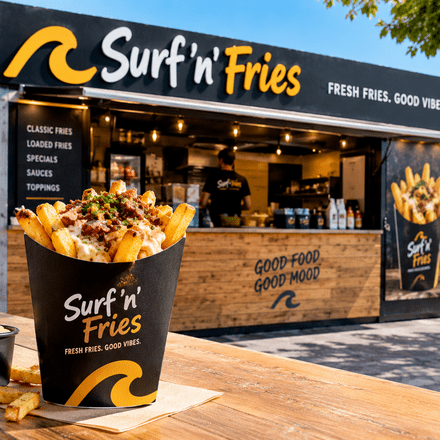
Fries reimagined
A Croatian street-food franchise built around gourmet fries, distinctive packaging and flexible business formats for entrepreneurs entering the...
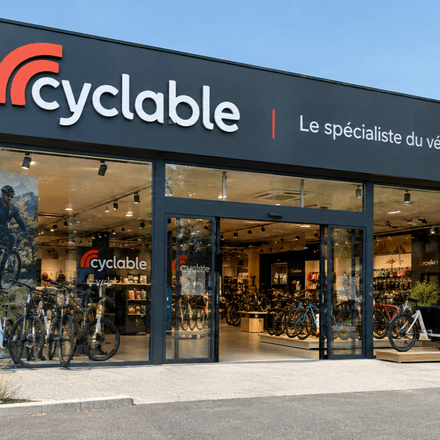
Cycling forward
Cyclable combines specialist bicycle retail, expert servicing and a proven franchise model for entrepreneurs investing in sustainable mobility.
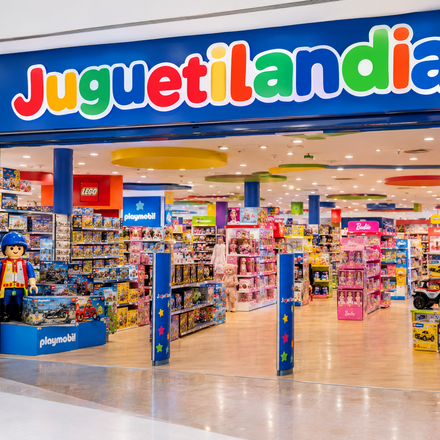
Juguetilandia - play to grow
A Spanish toy retail franchise combining a broad product range, competitive purchasing conditions and flexible business formats for entrepreneurs.
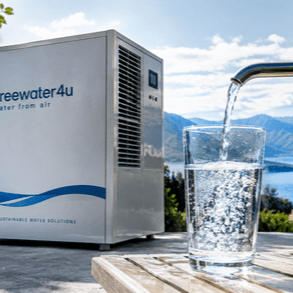
Water from air
Freewater4u offers an innovative franchise opportunity built around atmospheric water generation, sustainable technology and growing demand for...