






























Artisan pizza franchise
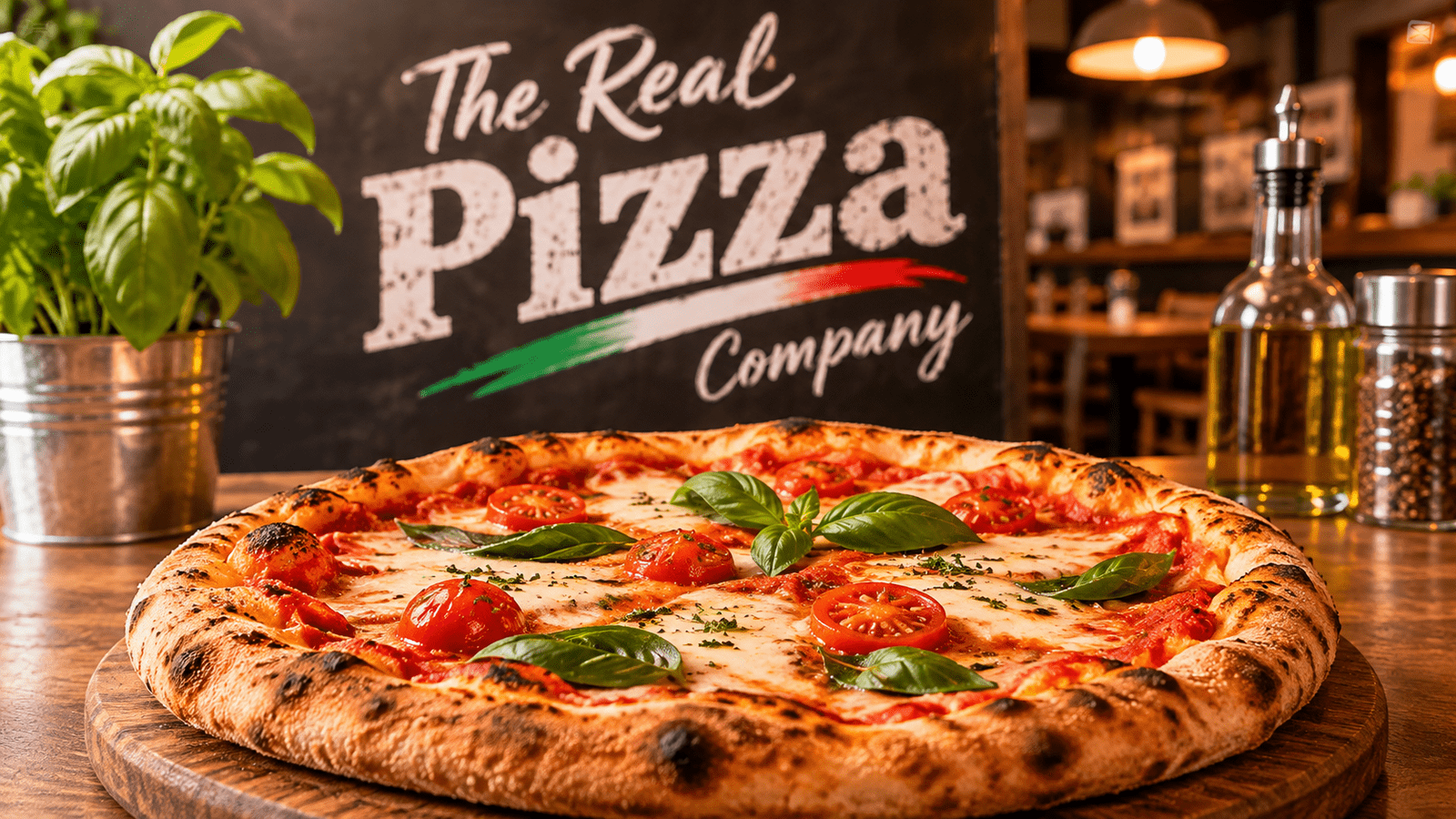
A British pizza franchise combining artisan recipes, restaurant dining, takeaway and home delivery is exploring international growth. What does its business model offer to potential franchisees?

In this article you will learn
- How The Real Pizza Company combines three sales channels.
- What investment is required to open a franchise restaurant.
- How technology supports ordering, stock management and deliveries.
- What training and operational assistance the franchisor provides.
- What opportunities the brand is considering in international markets.
The Real Pizza Company is a UK-based pizza franchise built around artisan pizza-making and an integrated restaurant management system. The brand combines traditional baking methods with technology designed to streamline ordering, stock management and deliveries. In December 2025, the company announced plans to enter the Polish market, seeking either individual franchisees or a partner capable of developing the network across the country. For entrepreneurs in Romania, the concept offers an opportunity worth examining, particularly in a competitive food service market where operational efficiency is becoming increasingly important.
A pizza business with three revenue channels
The Real Pizza Company remains a family-run business managed by its founders. Its identity is based on artisan recipes and pizzas baked in wood-fired or gas ovens. However, the franchise is not limited to the traditional restaurant format. Customers can enjoy their meals on the premises, collect takeaway orders or have their pizzas delivered directly to their homes.
Operating across these three channels gives franchisees access to different customer preferences and purchasing occasions. At the same time, it requires careful coordination of kitchen operations, order processing and delivery services. Maintaining consistent quality while handling several types of orders can be particularly challenging during busy periods.
To address these demands, The Real Pizza Company promotes an integrated management system covering order processing, stock control and delivery route optimisation. These tools are intended to improve workflow and help franchisees manage their resources more effectively. Their actual impact on profitability, however, should be assessed using the performance of existing restaurants.
Opportunities in the Romanian pizza market
Consumer ordering habits are an important consideration when evaluating a food franchise. According to a Glovo analysis covering 2025, published by AGERPRES in February 2026, pizza orders in Romania were particularly concentrated at weekends, with demand reaching its highest point at approximately 7 p.m.
For restaurant operators, this pattern highlights the importance of preparing for peak demand. Kitchen capacity, oven availability, staffing levels and delivery logistics must be organised to handle concentrated periods of activity rather than average daily demand.
The wider Romanian hospitality sector is also facing financial challenges. Industry estimates published in 2026 indicate growing pressure on operating margins and business costs. Although artisan pizza can support a different pricing strategy from mass-market fast food, product quality alone cannot guarantee a successful business. Rent, labour expenses, ingredient prices and delivery platform commissions all have a direct influence on financial performance.
The Real Pizza Company's combination of restaurant service, takeaway and delivery could help franchisees diversify their sales. Nevertheless, the concept would need to compete with both independent pizzerias and established restaurant and fast-food chains operating in Romania.
Franchise Investment and Financial Requirements
The Romanian franchise catalogue lists a minimum investment of RON 250,000, corresponding to the starting investment of approximately EUR 50,000 presented by the brand.
However, a different investment estimate was reported in connection with the company's Polish expansion. An article published in December 2025 indicated that opening a restaurant could require between PLN 500,000 and PLN 700,000. These figures come from separate market presentations, and the publicly available information does not provide enough detail to establish why they differ. They should therefore not be treated as equivalent investment packages.
The actual budget for a Romanian restaurant would depend on the premises, its size and condition, equipment requirements and local operating costs. Entrepreneurs should also account for interior renovation, initial inventory, franchise-related charges and sufficient working capital to cover the first months of operation.
Before signing an agreement, prospective franchisees should obtain a detailed financial breakdown from the franchisor, including any initial franchise fee, ongoing royalties, marketing contributions and other recurring payments.
Training, operational support and expansion plans
The Real Pizza Company presents a support package intended to help franchisees establish and operate their restaurants. Assistance includes location selection and restaurant design, training in the United Kingdom, employee preparation and food safety procedures. Franchise partners also receive access to technology for managing orders and deliveries, together with support in purchasing and marketing.
This framework gives entrepreneurs access to established recipes, operating procedures and management tools rather than requiring them to develop an entire restaurant concept independently. Nevertheless, the franchisee remains responsible for the day-to-day running of the business, including recruitment, staff management, rent, cost control, service quality and financial results.
The company's expansion strategy also includes the possibility of developing a flagship restaurant in Poland before moving towards a master franchise arrangement. Co-founder Matt Fielder has discussed this approach as a potential route for building a larger network. A master franchise would give a partner the right to develop the brand within an agreed territory, subject to additional contractual and development obligations.
Whether similar arrangements are available in Romania, and under what conditions, needs to be confirmed directly with the company.
The Real Pizza Company is an interesting example of a franchise that combines traditional food preparation with a technology-supported operating model. Its appeal lies not only in artisan pizza but also in the attempt to coordinate restaurant service, takeaway and home delivery within one business system.
For potential Romanian franchisees, the most important step is to examine the financial assumptions, local market conditions and actual operating performance before committing to the investment.
Main conclusions
- 3 sales channels – dine-in, takeaway and home delivery.
- RON 250,000 – minimum investment listed in the Romanian franchise catalogue.
- EUR 50,000 – approximate starting investment presented by the brand.
- PLN 500,000–700,000 – investment estimate reported for the Polish market.UK origins – a family-owned franchise specialising in artisan pizza.
- International expansion – plans to develop the brand through individual franchisees and master franchise partners.


Shopping cart
Added to your shopping cart






Other concepts from sector food and beverage

Breaking news
Show all
Party retail
From balloons and costumes to complete party decorations, Partyland offers entrepreneurs an established retail concept with international...

French beauty franchise
Explore the business model, international reach, investment requirements and earning potential behind one of France’s established professional...

Fresh juice business
Juice Factory brings fresh juices and healthy fast food to busy urban locations, offering franchise partners a scalable business concept.

Creative entertainment
THE ART OF FUN is a creative entertainment franchise combining art, social experiences and interactive workshops, with opportunities for...