





























Sweet expansion

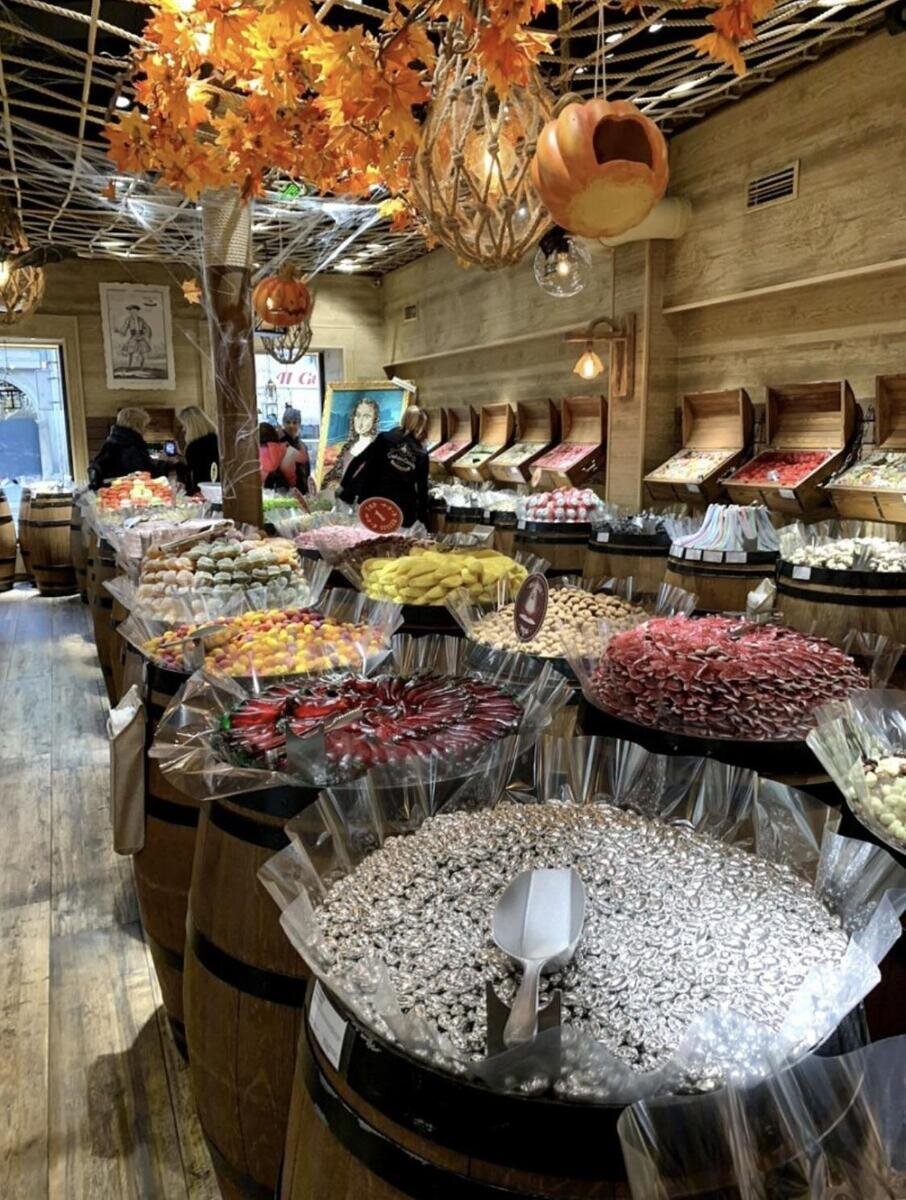
Captain Candy combines an international confectionery range with an immersive retail concept, offering franchisees a proven European brand built around customer experience.

In this article you will learn
- Captain Candy – what makes the candy store concept different from traditional confectionery shops.
- International presence – where Captain Candy stores currently operate.
- Franchise process – how entrepreneurs can apply and what the franchisor looks for.
- Financial requirements – what is known about startup costs, regular fees and income potential.
- Future growth – the brand’s plans for entering new markets and opening more stores.
Captain Candy is a Czech confectionery retail brand built around a distinctive pirate-themed store concept and a broad selection of sweets from different parts of the world. Rather than operating as a conventional candy shop, the company places strong emphasis on the entire customer experience, using distinctive interiors, barrels, wooden elements and themed displays to create an environment designed to encourage exploration and impulse purchases. The concept was first launched in Prague, where the first store opened in 2012, and has subsequently developed into an international network. The company describes its model as a proven European concept with its own visual identity, international-quality standards and an approach that is continuously developed and improved.
Captain Candy currently lists stores in six countries: the Czech Republic, Italy, Germany, the Netherlands, Ukraine and Georgia. Its official store directory confirms locations across these markets, while the company says it intends to continue expanding its network. The international character of the concept is also reflected in the product range, which is designed to give customers access to confectionery from different markets while maintaining a consistent Captain Candy retail experience.
For prospective franchisees, the brand's main point of differentiation is therefore not simply the products themselves, but the combination of merchandise, store design and an entertainment-oriented shopping experience. Captain Candy says its concept has been sufficiently distinctive that its stores have, in some cases, been illegally copied, although the company stresses that there is only one original Captain Candy.
Entering the franchise network
Captain Candy approaches franchising as a long-term business relationship rather than a simple purchase of a ready-made retail format. The first stage for a prospective franchisee is to complete a questionnaire providing information about professional experience, previous business or franchise experience, the intended market, a potential store location and the level of capital available for the project. The company then evaluates the information before deciding whether the proposed cooperation has a realistic basis for development.
The selection process is deliberately described by Captain Candy as careful and thorough. The company considers factors such as the candidate's ability to participate in the day-to-day operation of the store, previous entrepreneurial experience, potential restrictions arising from other business activities and the suitability of the proposed city, country or region. This indicates that the franchisor is looking not only for capital, but also for partners capable of actively developing the local business.
Once cooperation is agreed, the franchisor provides support before the opening and during the initial operating period, with assistance also available later in the relationship. According to Captain Candy, franchise partners receive access to sales know-how, tested operational solutions, products and the equipment necessary to operate the store. The company also provides regular checks and consultations and describes its support as extending beyond the launch phase.
An important consideration for potential investors is that Captain Candy does not currently publish a standard franchise fee, total initial investment amount or fixed royalty rate on its public franchising website. The official application asks candidates to state how much they are prepared to invest and how they intend to finance construction, furnishings and start-up operating costs, suggesting that the required capital may be assessed according to the specific project and market rather than presented as one universal figure. Consequently, prospective franchisees should obtain the exact investment requirement and contractual fee structure directly from the franchisor before making financial commitments.
Economics and future growth
The same lack of publicly disclosed financial data applies to ongoing franchise fees and revenue expectations. Captain Candy does not state a standard royalty, marketing contribution or other recurring franchise charge on its public franchise page, nor does it publish guaranteed or representative revenue figures for franchise outlets. It would therefore be misleading to attach a specific percentage or turnover figure to the concept without confirmation from the franchisor. Instead, the commercial potential should be assessed individually, taking into account factors such as location, pedestrian traffic, store size, local purchasing power, product mix, staffing and occupancy costs.
The company does, however, present franchising as an opportunity for long-term income and investment appreciation, while emphasising that franchisees can benefit from an established international brand, tested sales know-how and ready-made operating solutions. Ultimately, the franchisee remains responsible for the day-to-day management of the outlet, including staff, customer service, sales performance, inventory, local operating costs and compliance with the brand's standards. The franchisor's application process specifically asks candidates how closely they are prepared to participate in the daily running of the store, underlining the importance of active operational involvement.
Captain Candy's expansion strategy remains focused on increasing its international footprint. The company states that it expects the number of stores to continue growing and is actively seeking new franchise partners. Its current presence across six European markets provides a foundation for further expansion, while the franchising model allows the brand to enter additional cities and countries with local partners. For investors, the opportunity lies in combining a recognisable European concept with a highly experiential retail format, although the precise financial conditions, investment level, recurring fees and expected turnover should be established directly with Captain Candy as part of the franchise approval process.
Main conclusions
- 6 countries – current international presence.
- 2012 – year of the first Captain Candy store.
- International – confectionery concept with products from different markets.
- Franchise – business model based on local partners and active store management.
- Expansion – plans to increase the number of stores and enter new markets.


Shopping cart
Added to your shopping cart






Other concepts from sector food and beverage

Breaking news
Show all
Franchise Expo Warsaw 2026
The 24th Franchise Expo in Warsaw took place on 22–23 October at the Palace of Culture and Science, bringing together around 100 exhibitors and...
Fries reimagined
A Croatian street-food franchise built around gourmet fries, distinctive packaging and flexible business formats for entrepreneurs entering the...
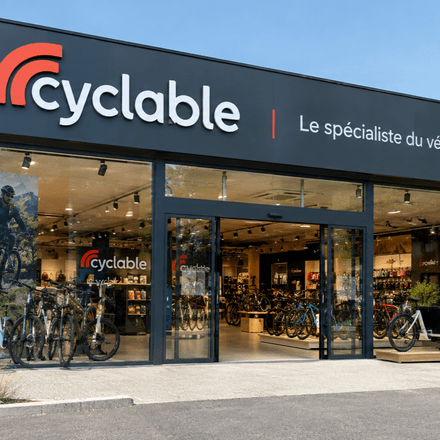
Cycling forward
Cyclable combines specialist bicycle retail, expert servicing and a proven franchise model for entrepreneurs investing in sustainable mobility.
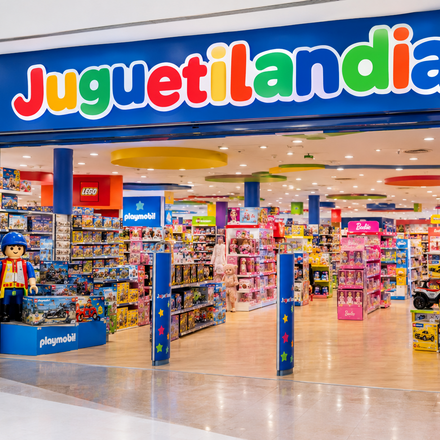
Juguetilandia - play to grow
A Spanish toy retail franchise combining a broad product range, competitive purchasing conditions and flexible business formats for entrepreneurs.