

























FEBO franchise business overview
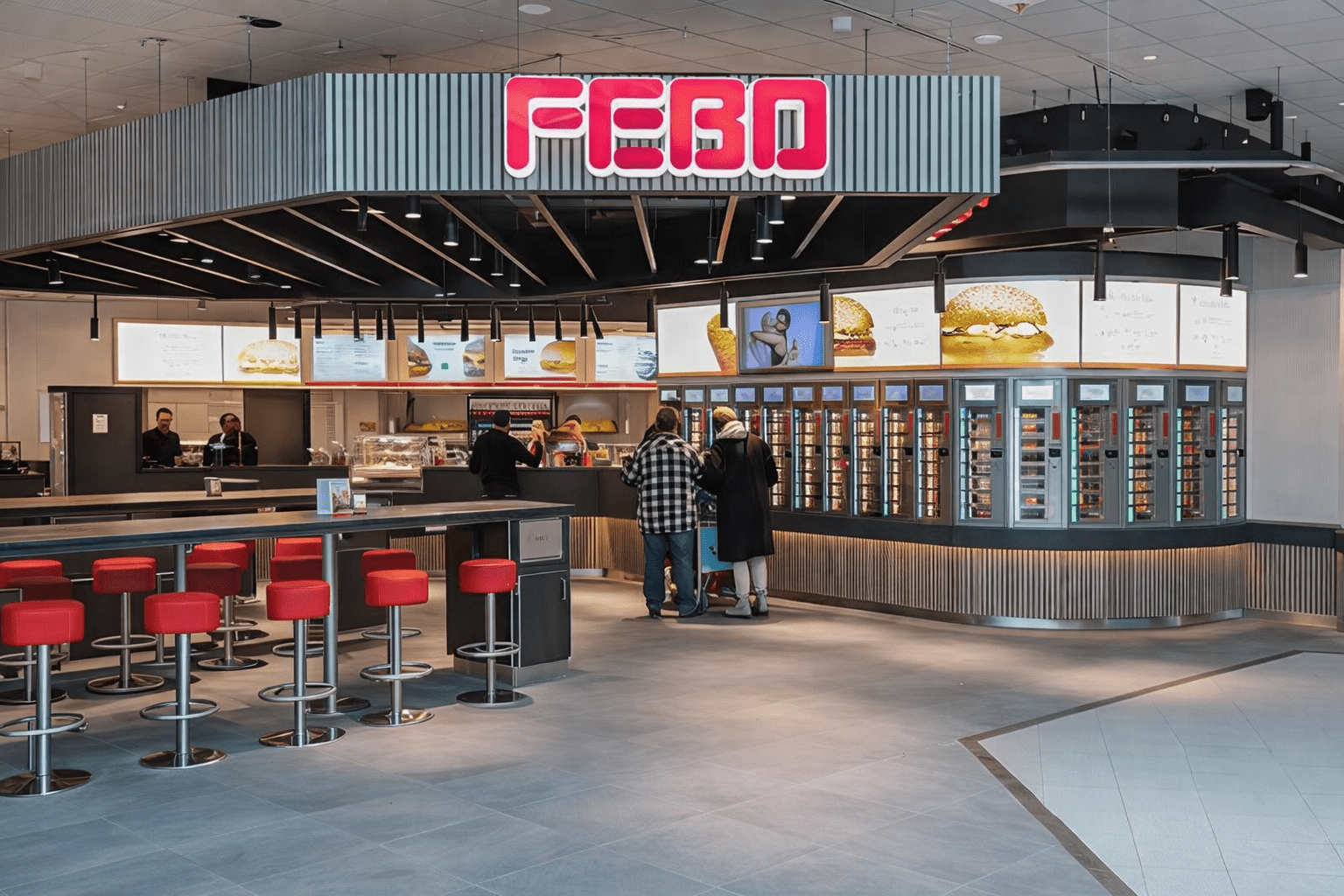
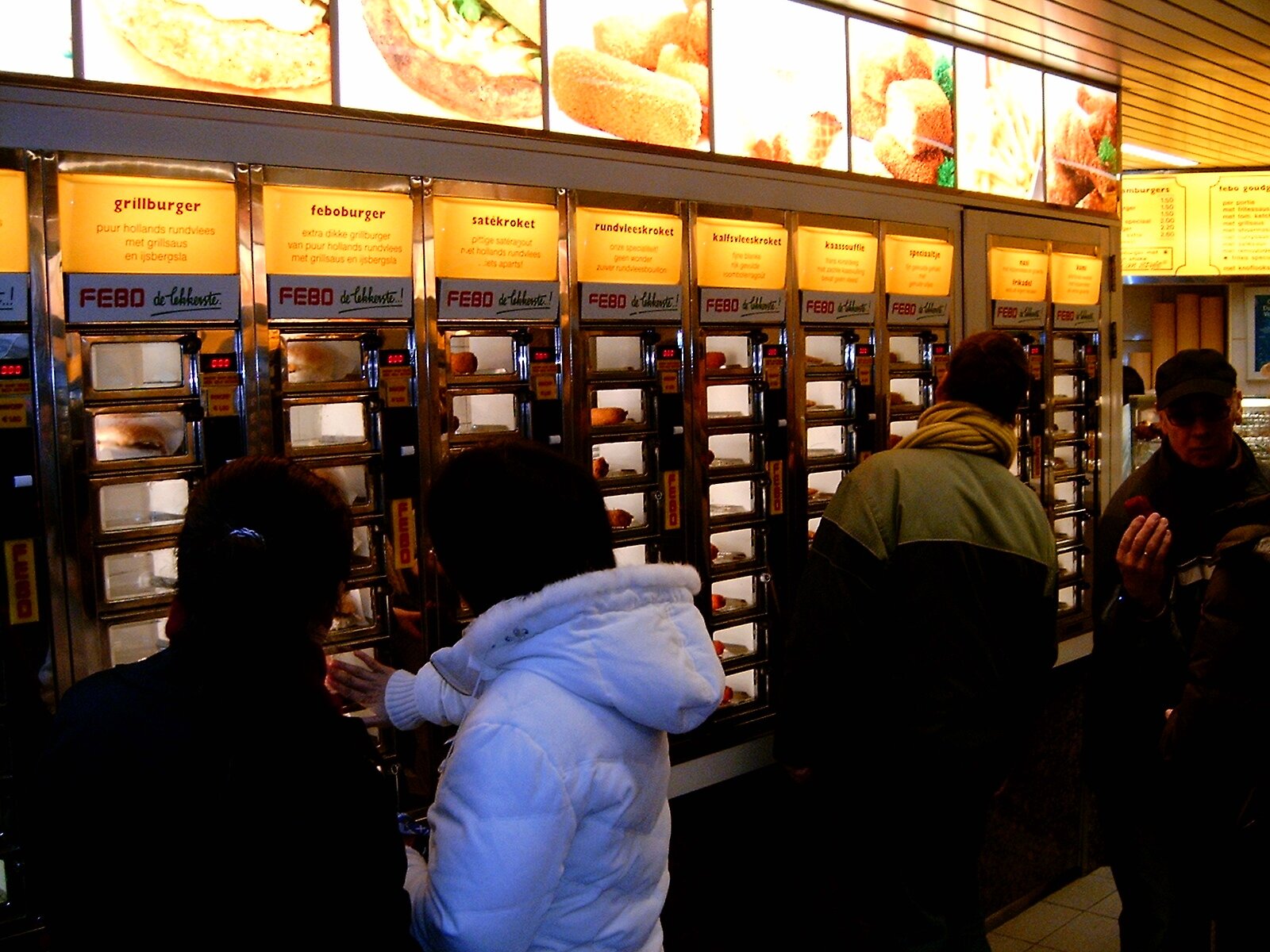
A Dutch automated fast-food concept built on efficiency, strong branding, and a franchise system designed for scalable, high-traffic operations.

In this article you will learn
-
How FEBO operates as a fast, automated food franchise.
-
Steps and requirements to become a FEBO franchise owner.
-
Typical costs, fees, and financial expectations for franchisees.
-
Daily responsibilities and support provided to new franchisees.
-
Potential earnings and future growth plans for the brand.
FEBO is a Dutch quick-service brand known for its automated food-vending walls, which enable fast, low-contact service and consistent product quality. The company operates mainly in the Netherlands, with dense clusters of locations in Amsterdam and other major cities, while observing opportunities in European markets that show rising interest in automated dining formats. The FEBO organization currently has 68 branches, 59 of which operate on a franchise basis.
Becoming a franchisee begins with submitting an application and financial documentation, which is followed by a review of the candidate’s operational background, preferably in hospitality or retail. The franchisor conducts interviews, evaluates potential locations together with the applicant, and requires mandatory operational training before the store can open. This structured process ensures that every franchisee is prepared to operate according to brand standards and local market expectations.
Financial requirements, ongoing fees and franchisee responsibilities
The financial commitment typically reflects Dutch QSR investment benchmarks. The total initial investment generally ranges from €250,000 to €450,000, which includes construction, equipment, installation of the vending wall and initial stock. The franchise entry fee is estimated at €15,000 to €25,000, while working capital requirements usually fall between €25,000 and €50,000. Additional expenses for leasehold improvements vary depending on location size, condition and surrounding urban environment.
Ongoing fees normally include a royalty rate of approximately 5 to 7 percent of net turnover and a marketing contribution of 1 to 2 percent of net turnover. Franchisees also participate in centralized procurement systems that guarantee product consistency and supply-chain stability.
Franchisees manage daily operations and staff supervision, ensure compliance with hygiene and food-quality standards, maintain accurate financial reporting and oversee the upkeep of the automated vending equipment. They are also responsible for implementing local marketing initiatives aligned with the franchisor’s guidelines. These responsibilities form the foundation of consistent customer experience across the network.
Support, revenue potential and future expansion plans
New franchisees receive comprehensive training that covers store operations, hygiene, equipment maintenance, staffing, customer service and financial management. The franchisor supports location selection, store design and supply-chain integration, and continues to provide operational audits, marketing guidance and performance monitoring after opening. This structured support framework helps franchisees achieve operational stability and brand alignment from the start.
Revenue levels depend on foot traffic, competition and opening hours. Typical annual turnover ranges between €600,000 and €1.2 million, with operating margins of approximately 8 to 15 percent after accounting for fees and operational costs. High-traffic environments such as nightlife districts and transport hubs often achieve stronger results.
The company continues to develop its domestic network and evaluates selective expansion opportunities in European cities where automated or hybrid service formats are gaining traction. Its future plans focus on markets with strong pedestrian activity and consumer openness to fast, automated food service.
Main conclusions
-
FEBO is a Dutch fast-food brand using automated vending walls for quick service.
-
Initial investment for a franchise ranges from €250,000 to €450,000.
-
Franchise entry fee is about €15,000–€25,000; working capital needed is €25,000–€50,000.
-
Ongoing fees include 5–7% royalty and 1–2% marketing contribution.
-
Typical annual revenue per franchise is €600,000–€1.2 million with 8–15% profit margins.
-
Franchisees get training, operational support, and marketing guidance.
-
Expansion targets high-foot-traffic areas and European cities open to automated dining.

Shopping cart
Added to your shopping cart






Other concepts from sector food and beverage

Breaking news
Show all
Dental care franchise
A Turkish dental franchise combining advanced treatment, medical tourism and a comprehensive business system for independent clinic owners.
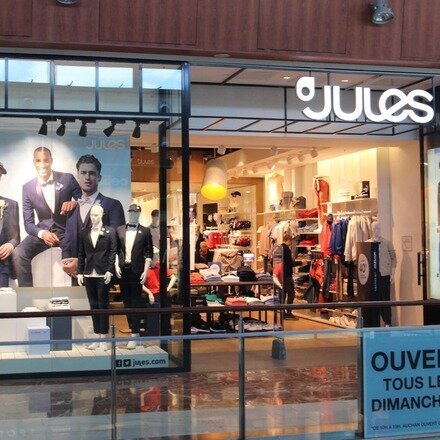
Men's fashion franchise
A leading French menswear franchise combining modern fashion, strong brand recognition and a proven retail model with international growth potential.
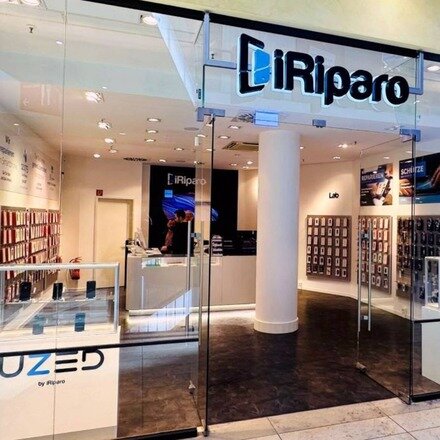
Mobile repair network
A European smartphone repair franchise combining fast service, refurbished devices and a proven business model with a low entry investment.
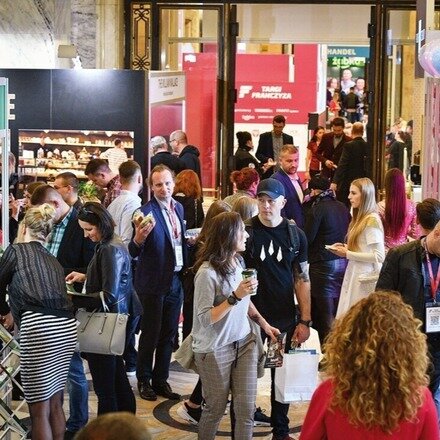
Warsaw Franchise Fair
Discover hundreds of franchise opportunities and meet leading brands at Central and Eastern Europe's biggest franchise event in Warsaw.