




























Monkey town expansion
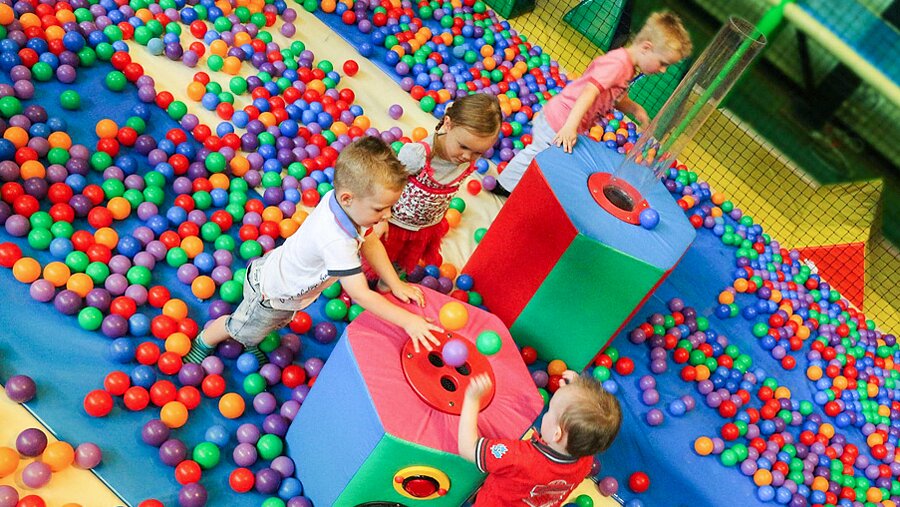
A scalable indoor play center concept combining entertainment, food service and events, designed for high footfall locations and repeat family visits.

In this article you will learn
- Overview of the indoor play center concept and main revenue streams.
- Steps required to join the franchise system and expectations for investors.
- Initial investment range and ongoing operational fees.
- Type of support provided during setup and daily operations.
- Earnings potential and core responsibilities of running the location.
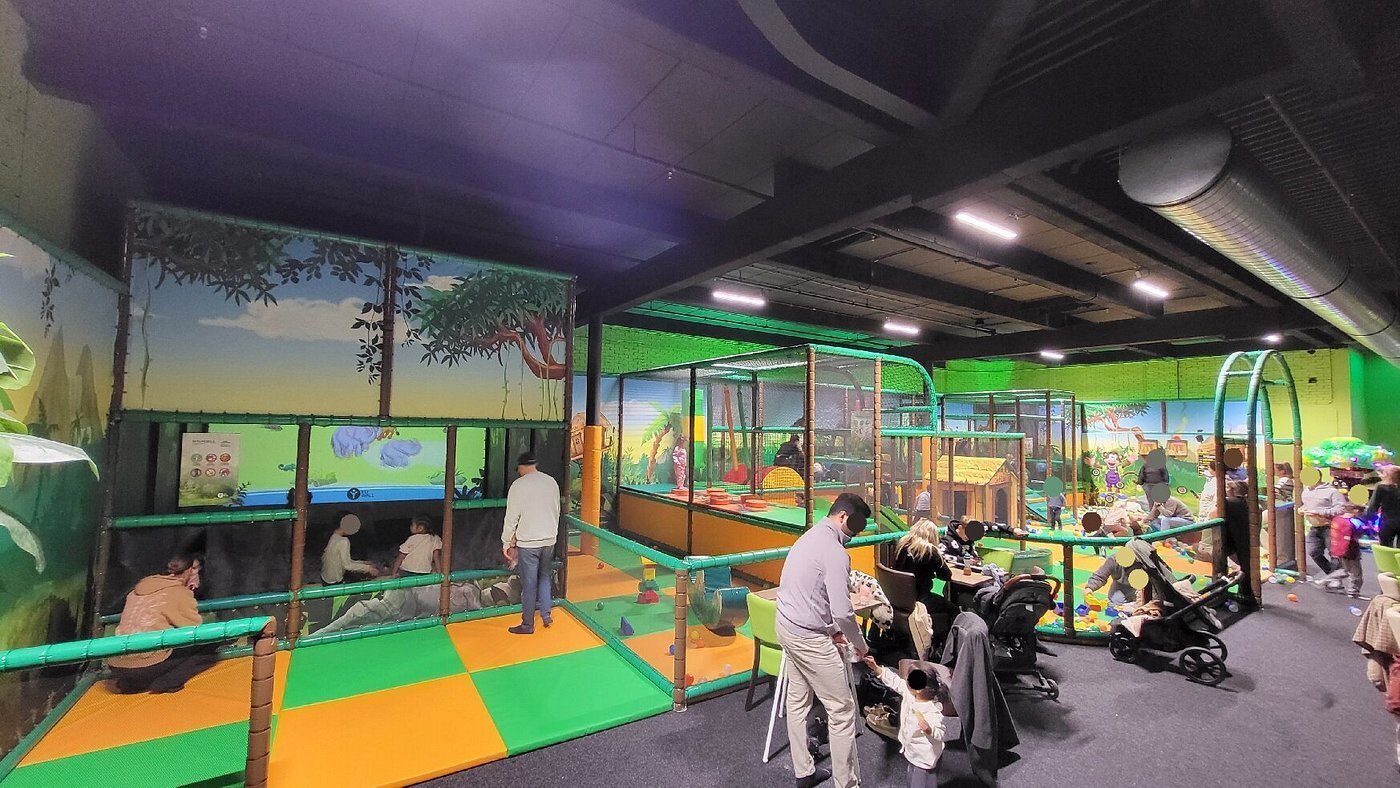
Monkey Town operates indoor play centers focused on children aged 1 to 12, combining soft play structures, birthday rooms and food and beverage services within a controlled environment. The concept is designed for high-capacity throughput and repeat visits, supported by standardized layouts and centralized branding. Revenue is generated through entrance fees, birthday packages and on-site sales. The franchise model emphasizes operational efficiency, recognizable design and diversified income streams within a single location.
Market presence and expansion
The brand has an established presence across the Netherlands and has expanded into Germany and Switzerland, operating dozens of locations in urban and suburban areas. Expansion strategy focuses on densely populated regions with strong family demographics and accessible retail or commercial real estate. The company continues to explore new European markets where organized indoor leisure for children is underdeveloped, positioning franchise growth as a primary vehicle for international expansion.
Franchise requirements and economics
Becoming a franchisee requires an application process including financial verification, location approval and operational training. The initial investment typically ranges from approximately €350,000 to €900,000 depending on size, fit-out and location specifications. This includes franchise entry fees, construction, equipment and initial working capital. Ongoing fees generally include a royalty of around 5% of gross revenue and a marketing contribution of approximately 2%.
Franchisees receive support in site selection, design planning, supplier coordination, staff training and operational setup. The franchisor provides standardized systems, branding, and continuous advisory support after opening. Revenue potential varies by market and size, but established locations can generate annual revenues between €500,000 and €1.5 million, with profitability dependent on utilization rates, cost control and local demand.
Franchisees are responsible for daily operations, staff management, customer service, compliance with safety standards and local marketing execution. The company’s future plans include continued expansion across Europe, optimization of digital booking systems and integration of additional entertainment features to increase customer retention and spending per visit.
Main conclusions
- The concept is based on a high-volume, family-oriented entertainment model with multiple revenue streams, including entry fees, events and food sales.
- Initial investment ranges between €350,000 and €900,000, with ongoing fees of approximately 5% royalty and 2% marketing contribution.
- Annual revenues can reach €500,000 to €1.5 million depending on location size and customer traffic.
- Operational success depends on efficient cost control, strong local marketing and consistent customer experience.
- The model is scalable and supported by structured onboarding, standardized processes and ongoing franchisor assistance.

Shopping cart
Added to your shopping cart





Breaking news
Show all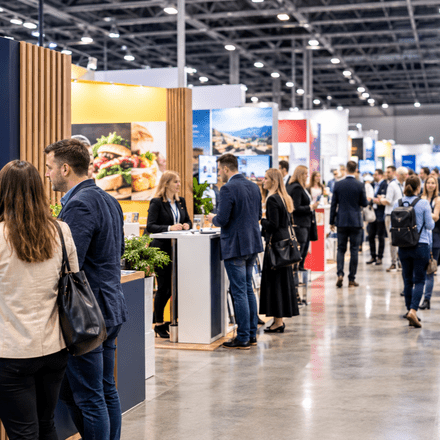
Franchise Expo Warsaw 2026
The 24th Franchise Expo in Warsaw took place on 22–23 October at the Palace of Culture and Science, bringing together around 100 exhibitors and...
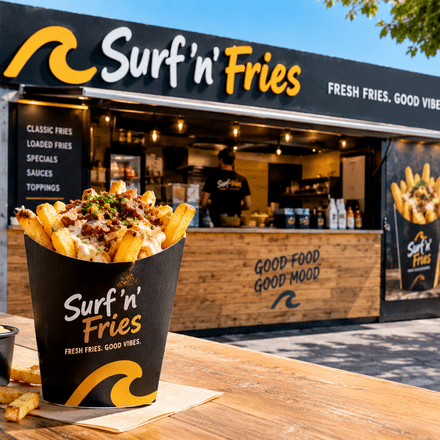
Fries reimagined
A Croatian street-food franchise built around gourmet fries, distinctive packaging and flexible business formats for entrepreneurs entering the...
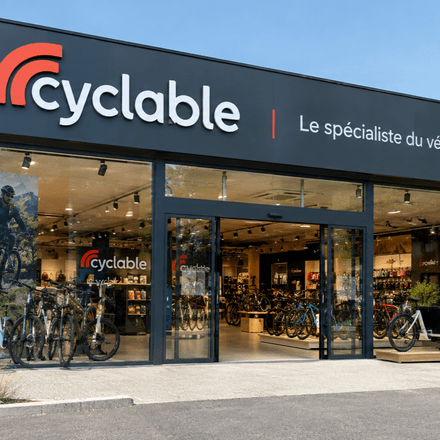
Cycling forward
Cyclable combines specialist bicycle retail, expert servicing and a proven franchise model for entrepreneurs investing in sustainable mobility.
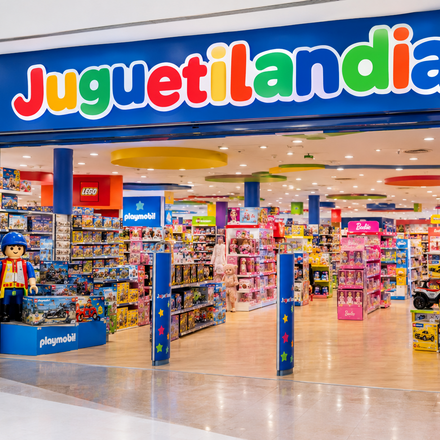
Juguetilandia - play to grow
A Spanish toy retail franchise combining a broad product range, competitive purchasing conditions and flexible business formats for entrepreneurs.