





























Dream Vacations franchise


Dream Vacations offers a home-based travel franchise model with strong support, global booking access, and scalable income potential for entrepreneurs.

In this article you will learn
- how the Dream Vacations franchise model works and how revenue is generated in travel services
- entry conditions and real startup costs required to join the network
- ongoing fees and financial obligations for franchise owners
- types of training, tools, and support provided to new franchisees
- earning potential and key day-to-day responsibilities of running the business
Dream Vacations is a U.S.-based travel franchise system operated under World Travel Holdings that enables entrepreneurs to run independent, home-based travel agencies using established booking technology, supplier relationships, and brand recognition. The company focuses on cruise and vacation sales, differentiating itself through a low-overhead digital-first model that removes the need for physical offices or inventory.
The franchise network is primarily concentrated in the United States and Canada, with franchisees operating remotely and serving clients globally through online booking platforms and supplier partnerships. Franchise owners are independent business operators, and their main responsibilities include client acquisition, travel consulting, itinerary planning, and sales execution while adhering to brand standards and preferred supplier programs.
Joining requirements and financial commitment
To become a franchisee, candidates typically go through an application and approval process that includes training orientation and business validation. The initial franchise fee generally ranges from approximately 495 to 9,800 USD depending on the selected package and promotional offers at the time of entry. Total startup investment is usually low compared to traditional franchises and often remains within a range of about 2,000 to 10,000 USD for most new owners.
Ongoing fees typically include a royalty fee calculated as a small percentage of commissions earned, alongside a monthly technology and marketing support fee that is generally modest and often under a few hundred dollars. These costs cover access to booking systems, supplier networks, and continuous brand support.
New franchisees receive structured onboarding, including training programs, sales coaching, marketing resources, and access to proprietary booking tools. The company also provides ongoing operational support, supplier education, and community mentorship to help new owners establish their business effectively.
Performance, revenue potential and future outlook
Revenue potential within the Dream Vacations franchise system varies significantly depending on effort, client base, and market focus. Some franchisees operate part-time and generate supplemental income, while top performers build full-time travel businesses with substantially higher earnings through commissions on cruises, tours, and vacation packages. Because income is commission-based, results are directly tied to sales activity and customer relationships.
The main responsibilities of franchisees include managing customer inquiries, selling travel packages, maintaining supplier relationships, and continuously marketing their services through digital and local channels. Strong communication skills and consistent sales activity are key drivers of success in this model.
Looking ahead, the company continues to expand its digital tools and supplier partnerships while strengthening its presence in the North American travel market. Future growth is expected to focus on technology-driven booking systems, remote entrepreneurship trends, and broader international reach as demand for flexible travel businesses increases.
Main conclusions
- Dream Vacations operates as a low-entry, home-based franchise model, with startup costs typically ranging from $495 to $9,800, making it one of the more accessible travel franchises in the market.
- The business is highly commission-driven, meaning franchisee income is not fixed and depends directly on sales performance, with earnings varying from side-income levels to full-time business revenue.
- Ongoing operating costs are relatively low, usually including a monthly support/technology fee and a small royalty based on commissions, often representing a low percentage of revenue rather than fixed high fees.
- The model relies heavily on digital tools, supplier networks, and training systems, reducing the need for physical infrastructure and enabling remote global operations from a home office setup.
- Success depends mainly on client acquisition and active sales effort, meaning franchisees act as independent travel consultants responsible for marketing, customer service, and booking management.

Shopping cart
Added to your shopping cart






Breaking news
Show all
Dental care franchise
A Turkish dental franchise combining advanced treatment, medical tourism and a comprehensive business system for independent clinic owners.

Men's fashion franchise
A leading French menswear franchise combining modern fashion, strong brand recognition and a proven retail model with international growth potential.
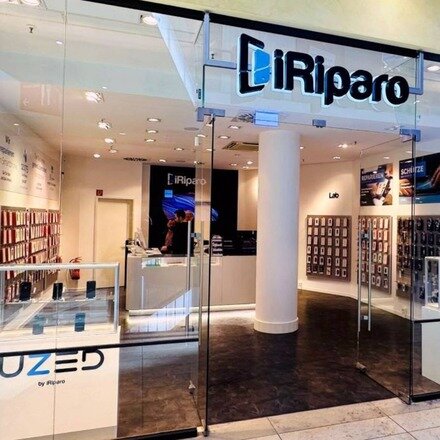
Mobile repair network
A European smartphone repair franchise combining fast service, refurbished devices and a proven business model with a low entry investment.

Warsaw Franchise Fair
Discover hundreds of franchise opportunities and meet leading brands at Central and Eastern Europe's biggest franchise event in Warsaw.