


























Franchising as a safer path to business ownership
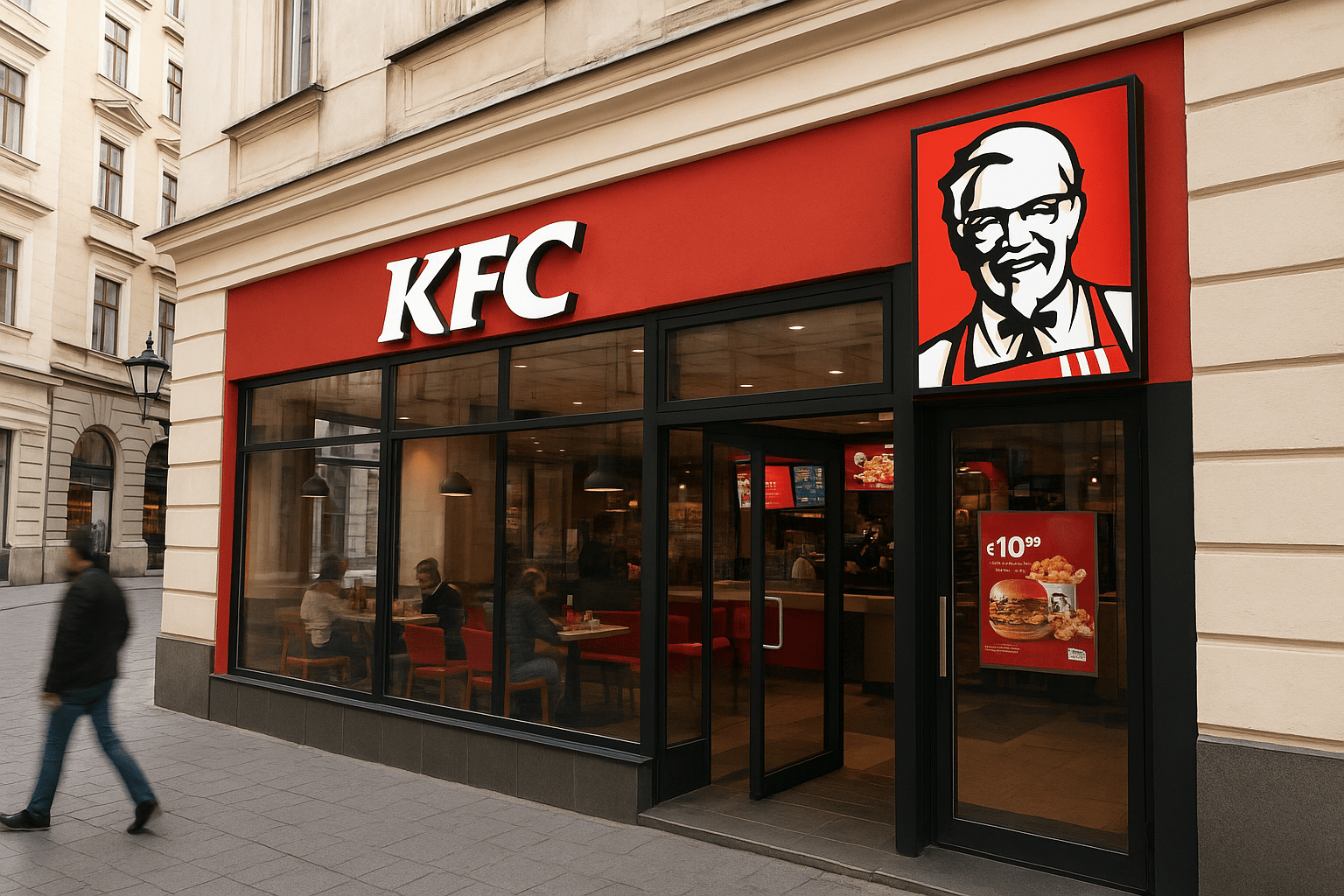

Franchising attracts thousands of entrepreneurs worldwide each year, offering a lower-risk alternative to starting an independent company from scratch.
Franchising has become one of the most dynamic sectors of the global economy. According to the European Franchise Federation, there are over 15,000 franchise systems operating across Europe, employing more than 2 million people. In Poland alone, the market is valued at approximately €13 billion, while the UK franchise sector contributes around £17 billion annually to its economy. Globally, the International Franchise Association reports that the U.S. franchise industry reached $860 billion in output in 2023, accounting for nearly 8% of private-sector employment. These figures illustrate the scale and stability that attract investors to this business model.
Lower entry risks and defined costs
The appeal of franchising lies in its relatively predictable entry conditions. While launching an independent café might require €50,000–€100,000 in capital with high uncertainty, a franchise such as Costa Coffee typically sets an entry fee between €30,000 and €50,000, plus a total investment of €250,000–€500,000 depending on location. McDonald’s requires a much larger outlay, with initial investments ranging from €1 million to €2.2 million, but offers global brand recognition and proven systems. In contrast, smaller service-based franchises, such as tutoring centers or cleaning services, often require less than €20,000. For entrepreneurs, the predictability of these costs—combined with training, supply chain support, and marketing provided by franchisors—lowers the risk of failure. Studies indicate that around 80% of franchise businesses survive beyond five years, compared with only 30% of independent start-ups.
Return on investment and long-terrm potential
Financial returns are a key driver for choosing franchising. Average profitability differs widely between sectors, but food and beverage franchises in Europe often generate margins of 8–12%, while service-oriented businesses may reach 15–20%. Investors typically expect a payback period of three to five years for mid-sized franchises, although premium brands with higher entry costs can extend this to seven years. For example, KFC franchisees in Central Europe report average annual sales exceeding €1.2 million per unit, with break-even usually achieved within four years. Moreover, multi-unit ownership offers further scaling opportunities, with some franchisees operating dozens of outlets under a single brand, significantly increasing long-term earnings potential.

Shopping cart
Added to your shopping cart






Breaking news
Show all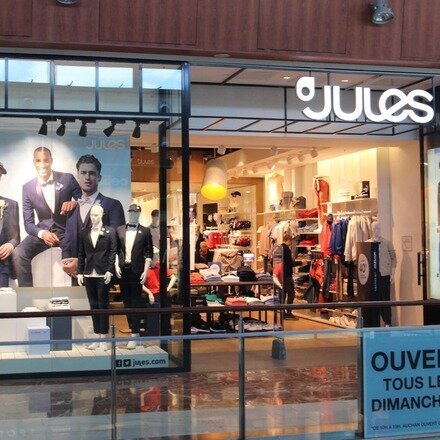
Men's fashion franchise
A leading French menswear franchise combining modern fashion, strong brand recognition and a proven retail model with international growth potential.

Mobile repair network
A European smartphone repair franchise combining fast service, refurbished devices and a proven business model with a low entry investment.

Warsaw Franchise Fair
Discover hundreds of franchise opportunities and meet leading brands at Central and Eastern Europe's biggest franchise event in Warsaw.
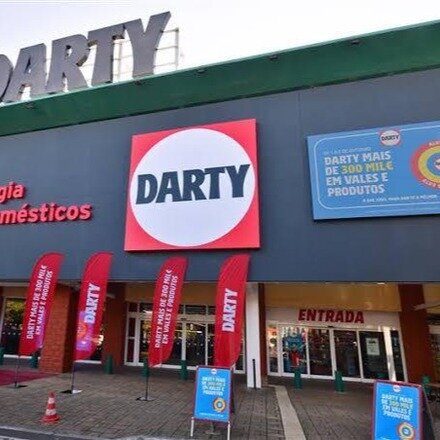
Fnac Darty franchise
A leading European electronics franchise combining trusted brands, omnichannel retail and a proven business model for independent entrepreneurs.