






























Diverse franchise expansion strategy
Diverse develops its franchise network through standardized retail operations, local market adaptation and selective international growth.

In this article you will learn
-
Overview of a flexible franchise system combining global standards with local adaptation
-
Explanation of how partners are supported through marketing, store design and operational guidance
-
Insights into partner selection criteria and expected investment returns
-
Discussion of challenges in fashion retail and the role of digital tools in business growth
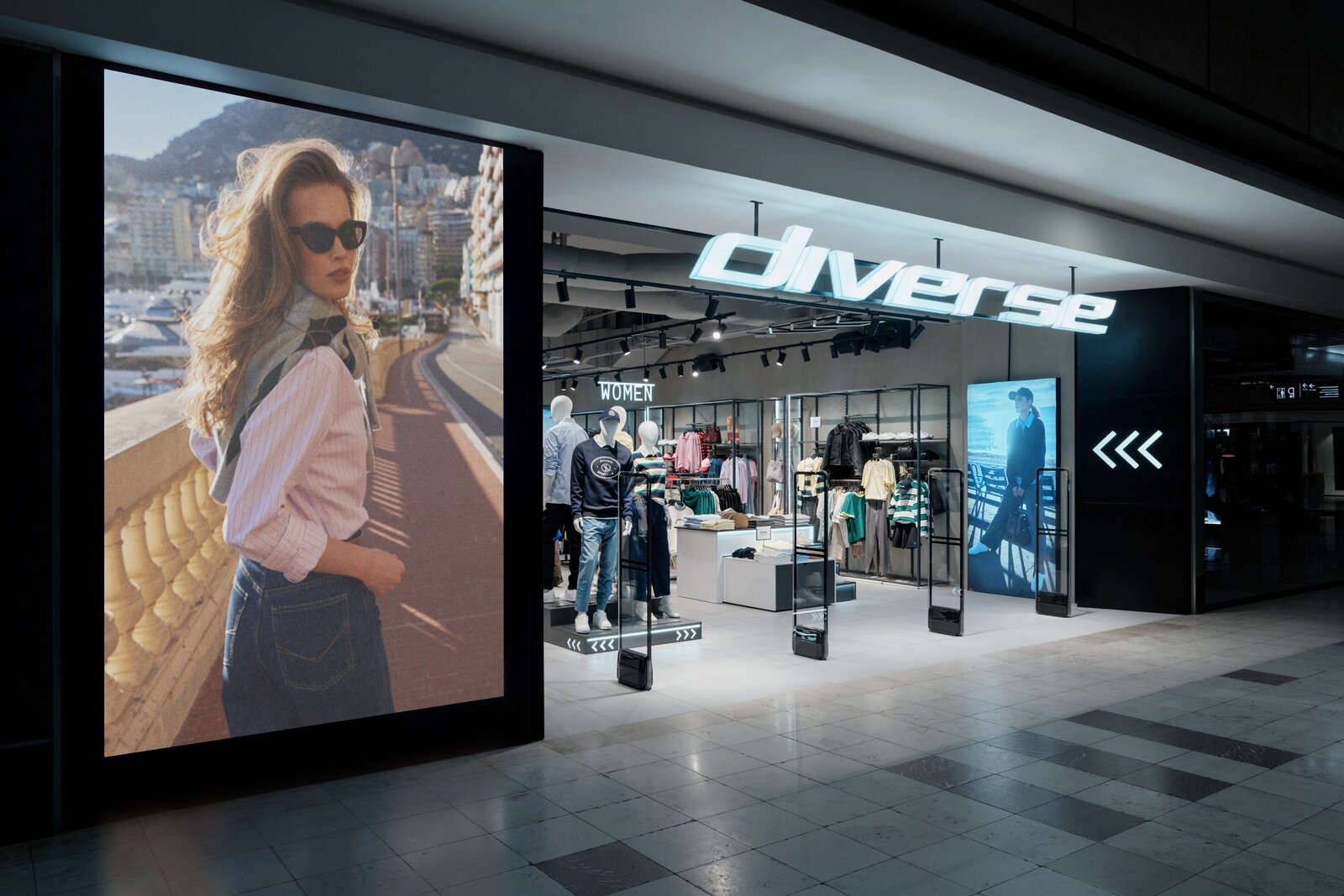
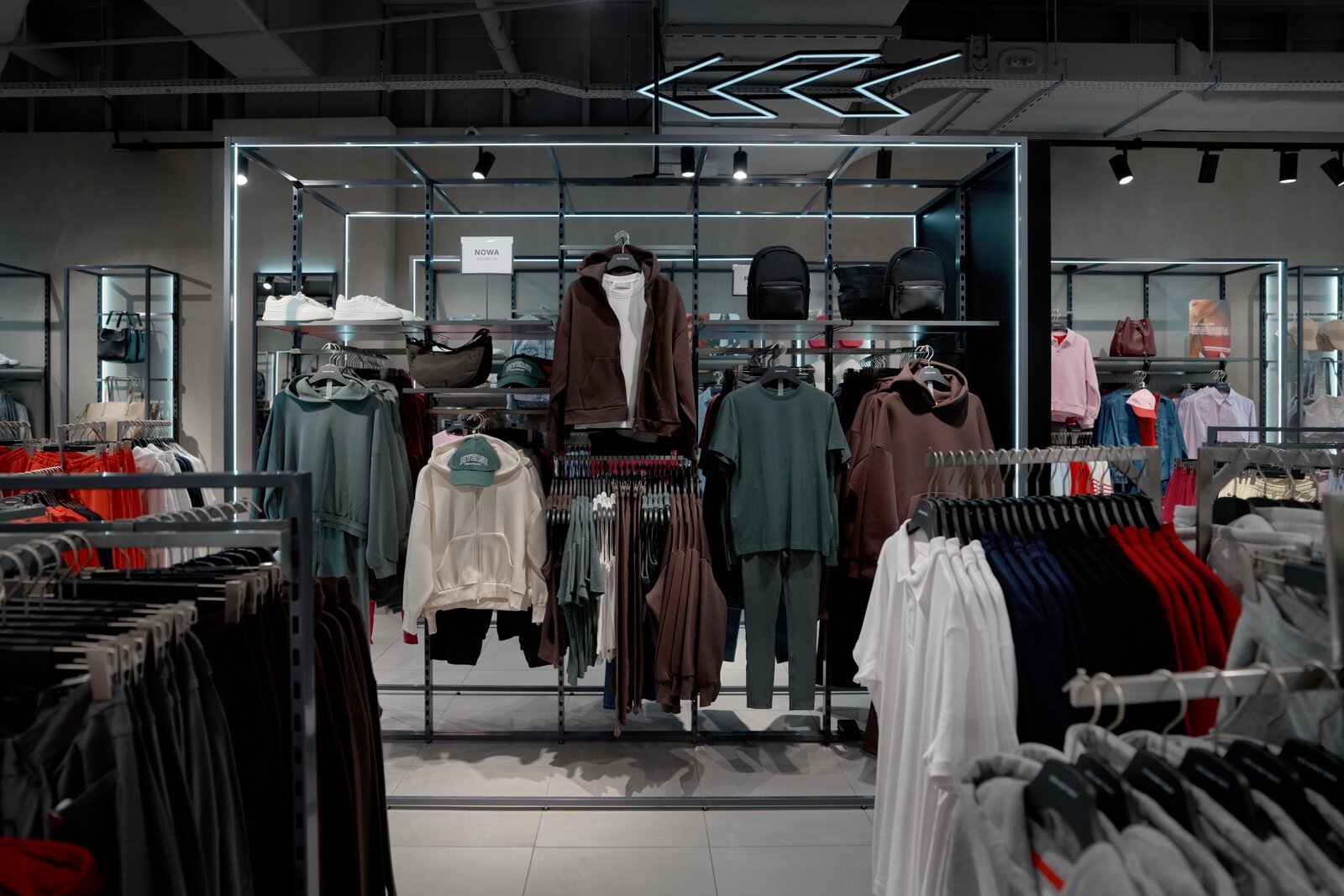
The Diverse franchise model is based on combining brand consistency with flexibility tailored to local markets. The system integrates standardized retail procedures, a defined brand identity and a commercially optimized product assortment with market-specific adjustments. Franchise partners operate within a ready-to-implement business framework built on long-term retail and distribution experience. The franchisor provides the franchisee with marketing activities and support, as well as store design services, free of charge.
Brand consistency is maintained through detailed guidelines, unified store concepts and centralized visual merchandising standards. Franchisees receive operational manuals and ongoing supervision from dedicated support teams. Performance reviews and store audits are conducted regularly to ensure compliance with brand and operational standards across all locations.
New franchise partners are selected based on retail experience, financial stability and knowledge of local market conditions. Operational discipline, long-term commitment and alignment with brand values are also considered in the selection process. The company evaluates each investment project individually. The required capital depends on store size, location and market specifics. The estimated return period is approximately 24 to 36 months, subject to effective implementation of the business model and market conditions.
Market adaptation and sector challenges
The franchise strategy maintains global brand standards while adapting product structure, pricing and marketing communication to local market conditions. Cooperation with local partners provides market insights that influence assortment planning and commercial activities in each region.
Franchise partners in the fashion retail sector face challenges including fluctuating consumer demand, rising operational costs and competition from international brands and e-commerce operators. Additional factors such as supply chain volatility and evolving customer expectations require operational flexibility and data-driven decision-making.
Digital transformation and expansion strategy
Digital transformation has reinforced the company’s omnichannel approach. Franchise partners are supported through integrated marketing activities, digital communication tools and centralized e-commerce initiatives designed to increase traffic to physical stores. Online presence and performance analytics form part of the overall retail strategy.
Expansion priorities focus on strengthening presence in existing markets and selective entry into high-potential international regions. Growth is planned in cooperation with local partners, with emphasis on commercially viable locations and further development of omnichannel capabilities to support long-term operations.
Main conclusions
The article shows that an effective franchise model requires a balance between global brand consistency and adaptation to local market conditions. It highlights that strong operational support, clear standards and continuous supervision are essential to maintain performance and brand identity across all locations. The text also indicates that achieving a return on investment within 24 to 36 months depends on efficient execution and favorable market conditions. Furthermore, it emphasizes that digital transformation and omnichannel strategies are critical for responding to market challenges and ensuring long-term business growth.

Shopping cart
Added to your shopping cart
Featured franchises
No featured franchises

Other concepts from sector fashion



Breaking news
Show all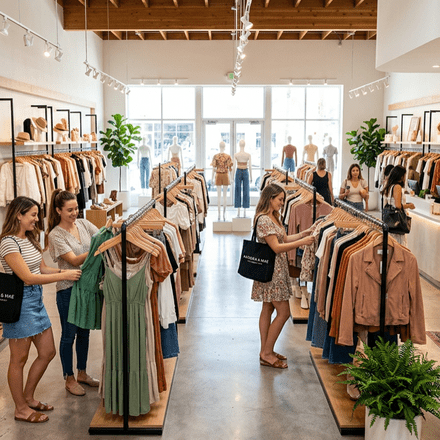
Cache Cache
A women’s fashion retail franchise combining fast product rotation, accessible pricing, and standardized store operations across international...
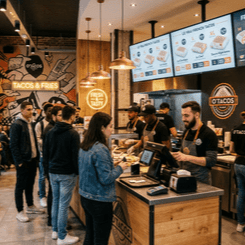
French taco boom
A fast-growing quick service brand built on customizable French tacos, strong unit economics, and scalable franchise expansion across...
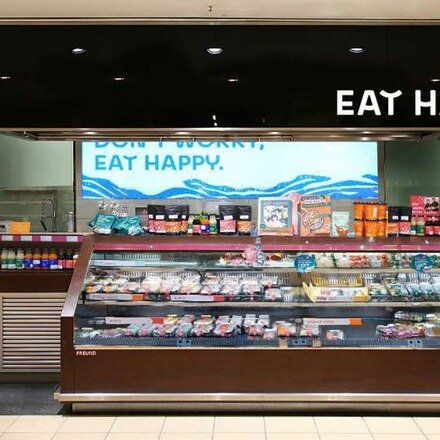
EatHappy Sushi
A scalable retail-based sushi concept integrated into supermarkets, combining high foot traffic, efficient operations, and consistent product...
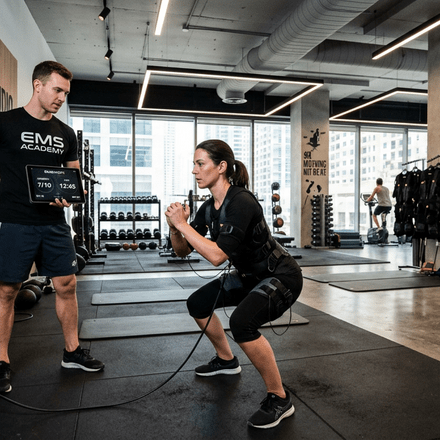
Iron Bodyfit
A fast-growing EMS fitness franchise offering time-efficient training, scalable studio models, and strong unit economics across European markets.