





























EatHappy Sushi
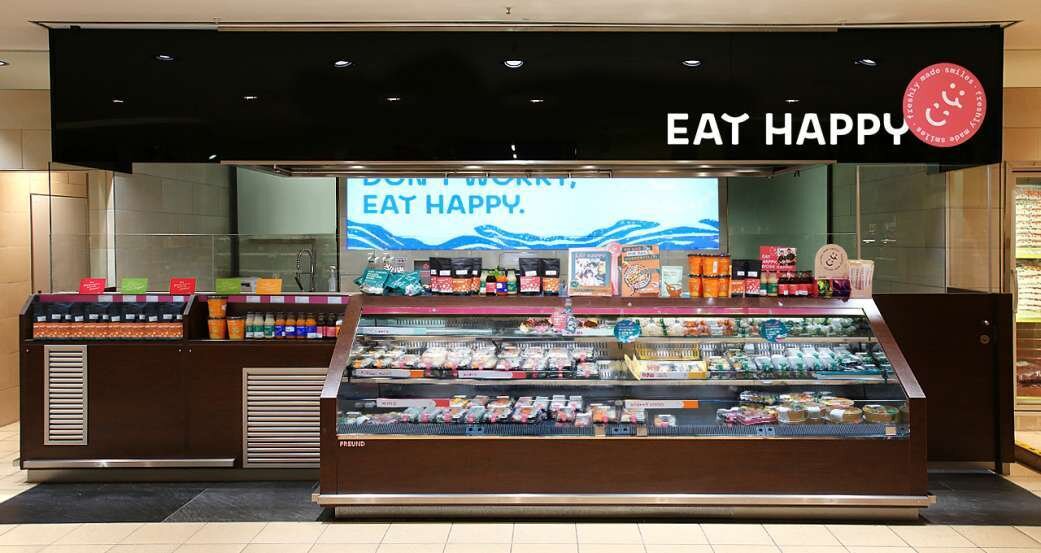
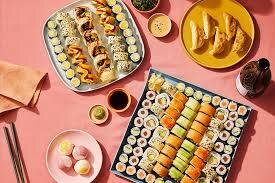
A scalable retail-based sushi concept integrated into supermarkets, combining high foot traffic, efficient operations, and consistent product delivery.

In this article you will learn
- How the supermarket sushi model works in practice and generates sales.
- Where the brand operates and how it expands into new countries.
- Steps required to join the network and start cooperation.
- Startup investment, ongoing charges, and expected turnover levels.
- Operational duties and support provided to new business partners.
EatHappy operates a shop-in-shop sushi concept located داخل supermarkets, where fresh sushi is prepared daily and sold directly to retail customers. The model is based on strategic partnerships with large grocery chains, allowing access to constant customer flow without the need for standalone locations. The franchise is differentiated by its integration into existing retail infrastructure, standardized production processes, and focus on fresh, ready-to-eat products. This approach reduces typical risks associated with traditional foodservice locations while maintaining strong sales density per square meter.
Geographic presence and entry path
The brand is primarily established in Germany and has expanded into several European markets, including Austria and Italy, with continued growth in retail partnerships. Expansion into new countries is typically executed through regional or master franchise agreements, often requiring collaboration with established retail operators. Becoming a franchisee involves a structured approval process, including financial capacity assessment, operational capability evaluation, and securing or demonstrating access to retail locations. Experience in food operations or retail management is advantageous, although the franchisor provides standardized systems and procedures.
Financial Structure and Operations
The initial investment per unit typically ranges from €30,000 to €70,000, depending on the scale of the supermarket integration, equipment requirements, and local conditions. This includes setup costs, equipment, and initial onboarding. Franchise or partnership fees are often structured individually, especially in master franchise scenarios, but entry fees can start from approximately €10,000–€20,000 per unit equivalent. Ongoing fees usually include a royalty component estimated at 5–7% of revenue, along with contributions to marketing or brand development funds where applicable. The franchisor supports partners through training programs, supply chain management, product sourcing, operational guidelines, and assistance in negotiating with retail chains. Revenue potential is closely tied to location quality and foot traffic, with individual units generating estimated annual revenues ranging from €150,000 to €400,000. Franchisees are responsible for daily operations, including staff management, product preparation compliance, inventory control, and maintaining quality standards within the retail environment. The company continues to pursue expansion across Europe, focusing on strengthening partnerships with large supermarket chains and entering new regional markets through scalable franchise structures.
Main conclusions
The EatHappy model is built on integration with existing retail infrastructure, which lowers entry barriers compared to standalone food concepts. Initial investment typically ranges from €30,000 to €70,000 per unit, with entry fees starting around €10,000–€20,000, making it relatively accessible within the food sector. Ongoing royalties are estimated at 5–7% of revenue, allowing for predictable cost structures. Units located in high-traffic supermarkets can generate annual revenues between €150,000 and €400,000, depending on location and operational efficiency. The concept relies on strong partnerships with retail chains, standardized processes, and consistent product quality to support scalable expansion across European markets.

Shopping cart
Added to your shopping cart

Featured franchises
No featured franchises

Other concepts from sector food and beverage


Breaking news
Show all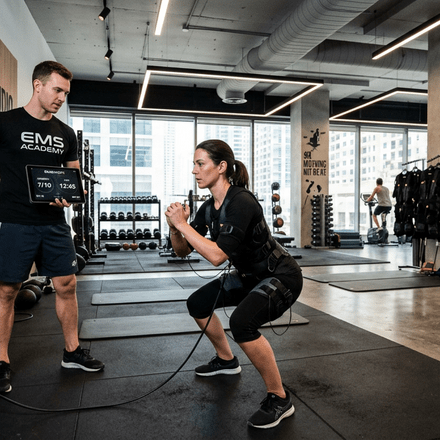
Iron Bodyfit
A fast-growing EMS fitness franchise offering time-efficient training, scalable studio models, and strong unit economics across European markets.
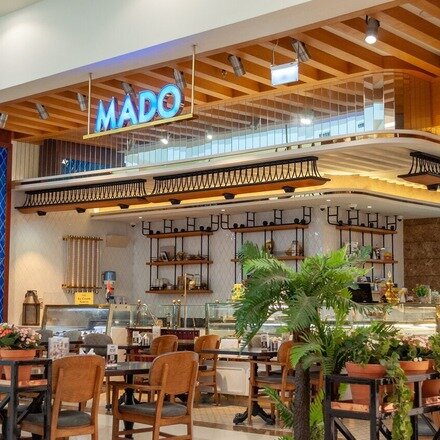
MADO franchise
A global Turkish dessert brand combining traditional Maraş ice cream, café culture, and scalable franchise opportunities across international markets.

Coffee Island
A fast-growing European coffee franchise combining specialty coffee expertise, proprietary roasting and a scalable retail concept designed for...

BioHair franchise
BioHair offers franchise partners a proven walk-in hair salon model combining fast service, standardized operations and a growing beauty service...