















MADO franchise
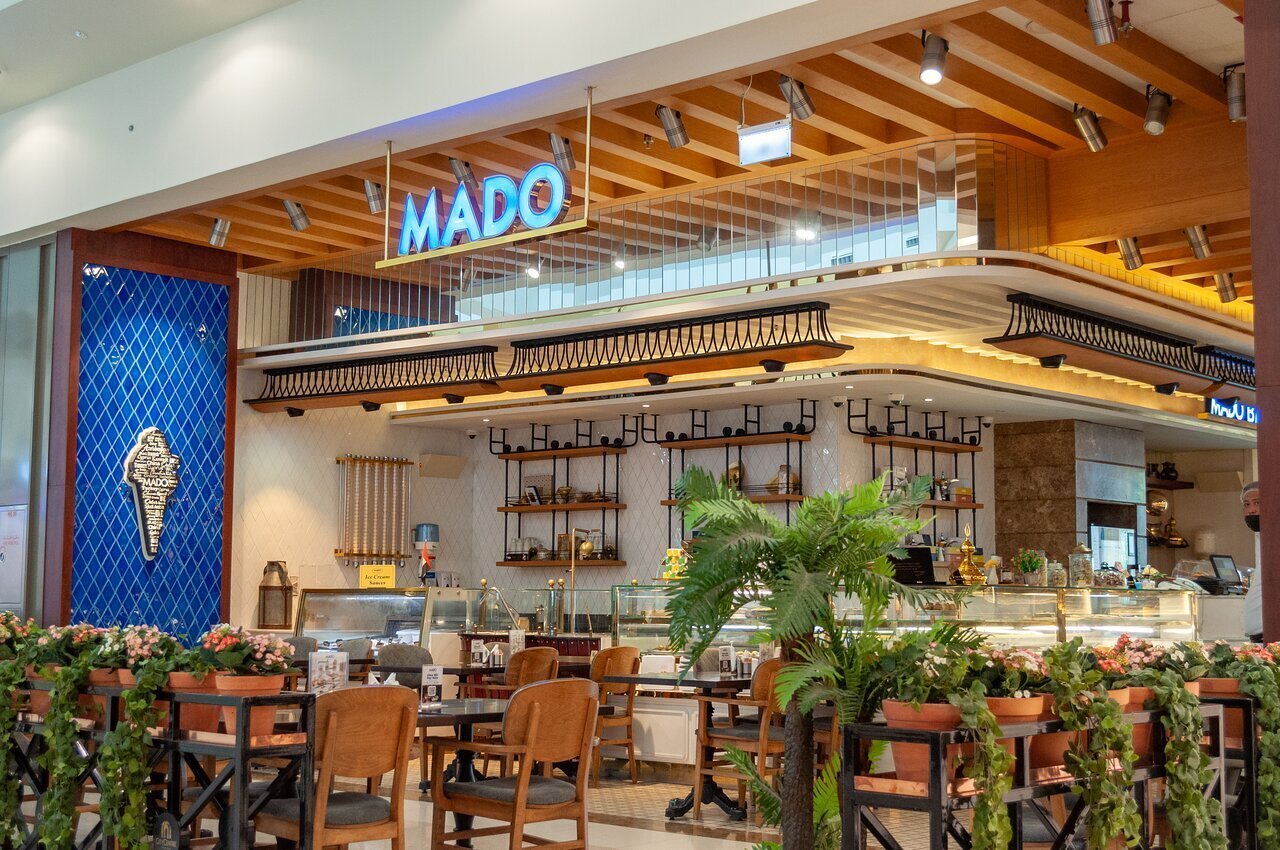
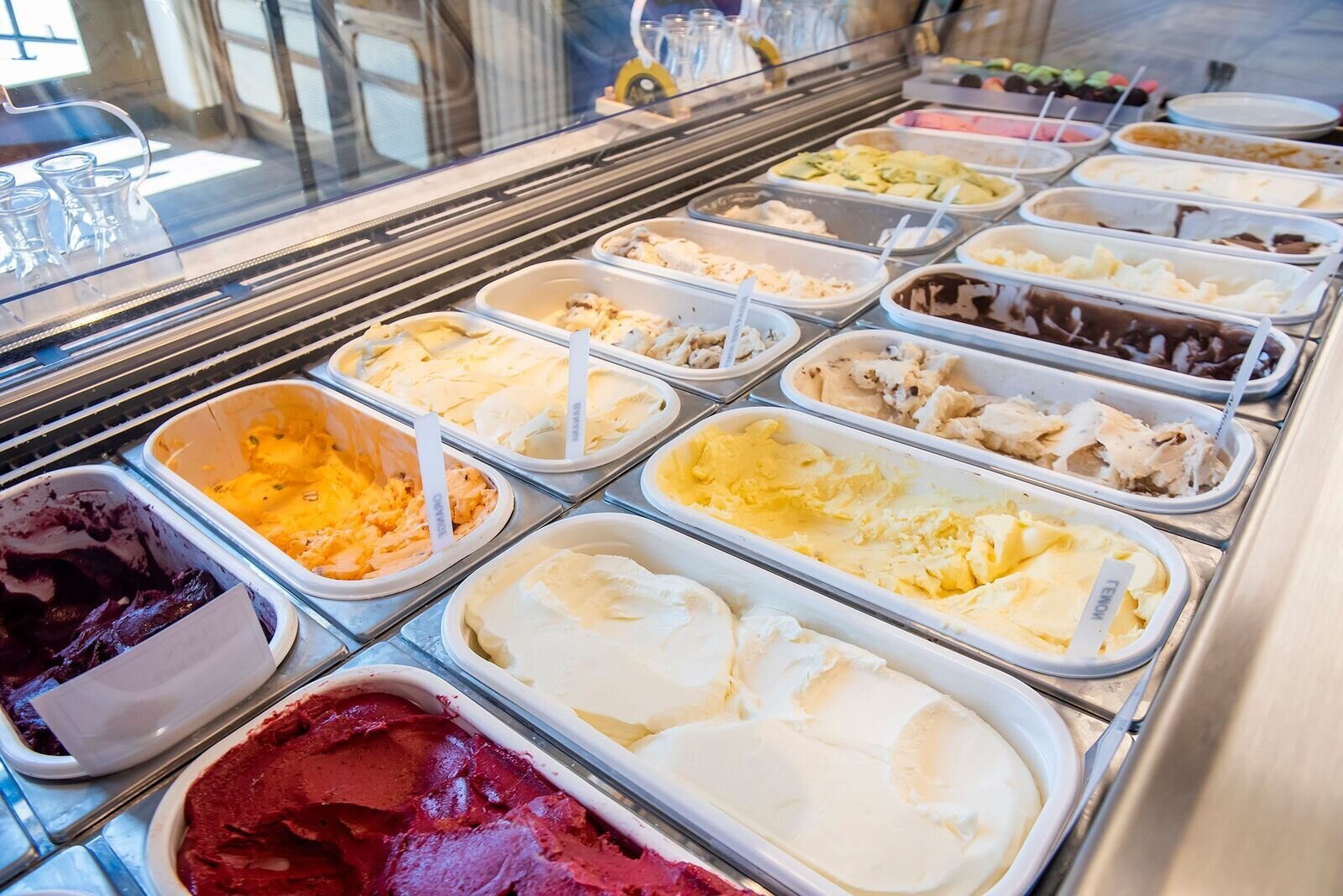
A global Turkish dessert brand combining traditional Maraş ice cream, café culture, and scalable franchise opportunities across international markets.

In this article you will learn
-
Key facts about a Turkish dessert and café brand and its business concept.
-
Overview of the company’s international locations and market presence.
-
Basic requirements and investment needed to join the franchise system.
-
Information about training, operational guidance, and brand support.
-
Expected revenue range and the main duties of franchise owners.
Mado is a Turkish café and dessert chain specializing in traditional Maraş-style ice cream, milk desserts, pastries, breakfast items, and café products. The brand combines a dessert shop, café, and casual restaurant format within a single concept. Its franchise model is built around standardized production, a centralized supply chain, and a recognizable Turkish dessert heritage.
What distinguishes the concept is its focus on traditional Turkish ice cream made with goat milk and salep, combined with a full café menu that drives year-round customer traffic. The brand operates in both shopping malls and high-street locations, with store formats typically ranging from dessert counters to full-service cafés. The company has built an international network of more than 300 locations, with stores across Turkey, Europe, the Middle East, and Asia, including markets such as the United Arab Emirates, Saudi Arabia, Bulgaria, South Korea, Australia, and Hong Kong.
The company continues to expand internationally through franchising partnerships, targeting high-traffic urban areas, tourist destinations, and shopping centers.
Franchise requirements and financial structure
Becoming a franchisee typically begins with submitting a franchise application to the company and presenting a proposed location together with professional background and financial capacity. The franchisor evaluates the applicant’s business experience, ability to manage staff and operations, and the suitability of the proposed site before proceeding to negotiations and a franchise agreement.
The financial commitment depends on the format and size of the store. The initial franchise fee for a MADO Café concept is typically around $100,000, while total investment costs for opening a location usually range between $200,000 and $500,000, depending on location, design, and equipment requirements.
Additional working capital of approximately $50,000 to $100,000 is generally required to cover operational costs during the first months of operation.
In terms of ongoing financial obligations, franchisees usually contribute around 3% of sales to the brand’s advertising fund, and some markets may include royalty payments typically ranging between 5% and 8% of gross sales, depending on the franchise agreement and territory.
Operations, support and growth potential
The franchisor provides operational support at several stages of the business. This includes site selection assistance, store design and project planning, operational manuals, staff training programs, and access to the brand’s centralized supply and distribution network. Marketing support and national advertising campaigns are coordinated at the brand level, while franchisees manage daily operations at the local level.
Franchisees are responsible for managing the restaurant or café operations, hiring and training staff, maintaining brand standards, controlling operational costs, and executing local marketing initiatives within the framework of the brand guidelines. Maintaining consistent product quality and customer service standards is a key operational requirement.
Revenue potential varies significantly depending on location, store size, and management efficiency. Established outlets in strong retail or tourist locations can generate annual revenues typically ranging between $500,000 and over $1 million. The investment payback period is generally estimated at approximately 48 to 60 months, depending on operational performance and market conditions.
Main conclusions
The article shows that MADO operates as an established international dessert and café brand with more than 300 locations worldwide. The concept combines traditional Turkish products with a scalable franchise model designed for shopping malls and high-traffic urban locations.
Financially, joining the network typically requires an initial franchise fee of about $100,000 and a total investment ranging from approximately $200,000 to $500,000, depending on the store format and location. Franchisees are also expected to allocate additional working capital and contribute ongoing marketing and royalty fees.
Revenue potential varies by market, but well-located outlets may generate annual sales between roughly $500,000 and over $1 million. According to available estimates, the typical investment payback period is about four to five years, depending on operational performance.
Overall, the brand’s expansion strategy is based on international franchising partnerships, standardized operations, and centralized supply systems that support new franchisees during launch and daily operations.

Shopping cart
Added to your shopping cart

Featured franchises
No featured franchises

Other concepts from sector food and beverage


Breaking news
Show all
Cache Cache
A women’s fashion retail franchise combining fast product rotation, accessible pricing, and standardized store operations across international...
French taco boom
A fast-growing quick service brand built on customizable French tacos, strong unit economics, and scalable franchise expansion across...

EatHappy Sushi
A scalable retail-based sushi concept integrated into supermarkets, combining high foot traffic, efficient operations, and consistent product...

Iron Bodyfit
A fast-growing EMS fitness franchise offering time-efficient training, scalable studio models, and strong unit economics across European markets.