









Coffee Island

A fast-growing European coffee franchise combining specialty coffee expertise, proprietary roasting and a scalable retail concept designed for international expansion.

In this article you will learn
- Key information about a European coffee franchise and its business concept.
- Overview of international locations and the company’s presence in multiple markets.
- Details about the investment required to open a store and typical franchise fees.
- Explanation of the process for joining the franchise network and operating a location.
- Insights into potential revenue levels and operational responsibilities for franchise partners.
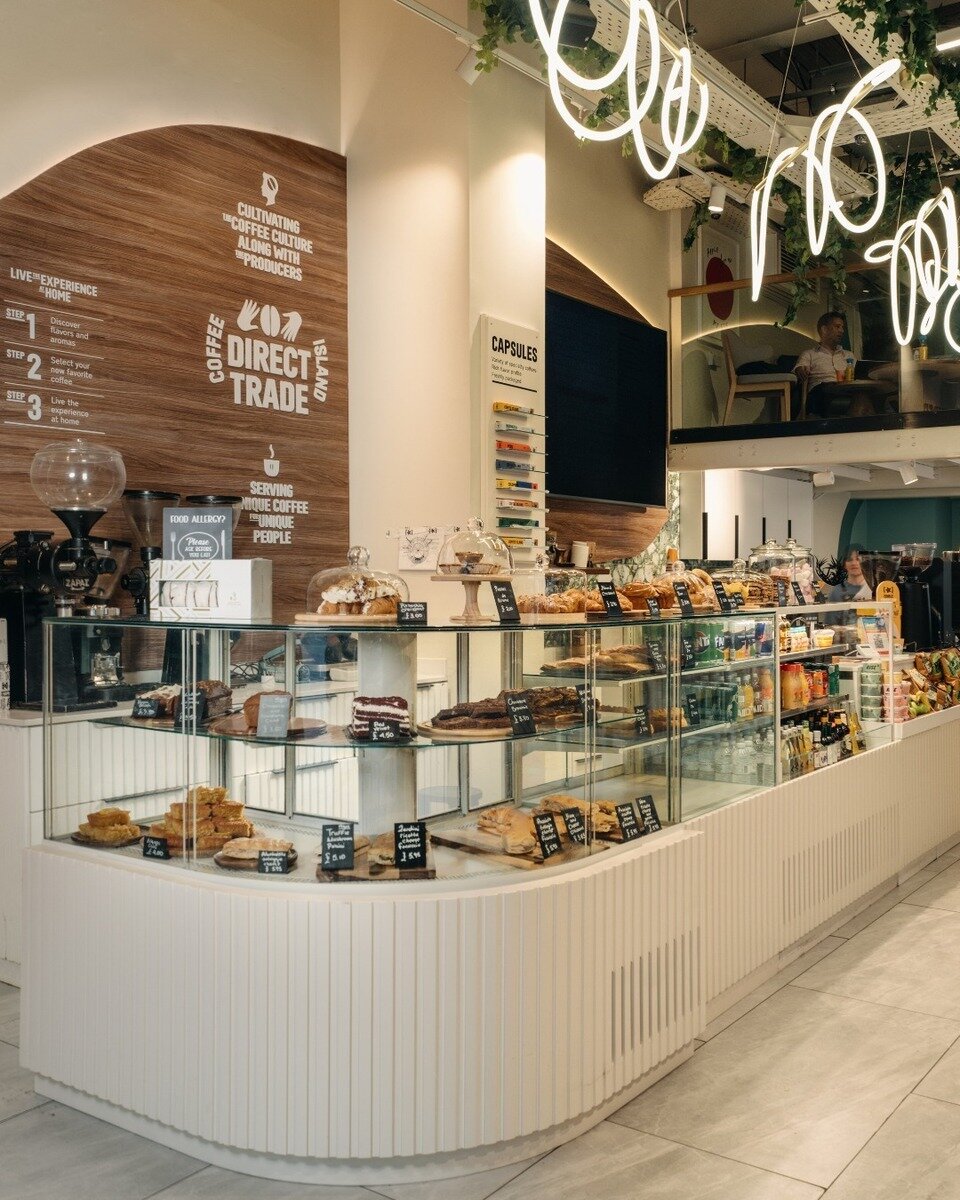
Coffee Island is a European coffee company that operates a network of specialty coffee shops and retail outlets focused on high-quality coffee, espresso beverages and complementary food products. The company manages the entire value chain from sourcing and roasting coffee beans to retail distribution, creating an integrated “bean-to-cup” concept that differentiates it from many traditional café franchises. Its model combines takeaway coffee, retail coffee bean sales and café seating, allowing locations to adapt to different urban formats and customer flows.
The brand originated in Greece and has developed a large franchise network primarily across Southern and Eastern Europe, with locations in markets such as Greece, Cyprus, Romania, Switzerland, the United Kingdom and several Middle Eastern countries. The network continues to expand internationally through partnerships with local franchisees and regional developers. The company positions itself within the growing specialty coffee segment, focusing on product expertise, direct sourcing and in-house roasting capabilities. The Coffee Island franchise network currently operates around 500 locations worldwide, with the majority of stores located in Greece and additional outlets across Europe, the Middle East and other international markets.
Franchise requirements and investment
To become a franchisee, prospective partners typically begin by submitting an application to the company, after which the franchisor evaluates the candidate’s financial capacity, proposed market and potential location. Once approved, the franchise agreement usually grants operating rights for ten years with an option for renewal. The franchisor assists with location analysis, commercial mapping and property selection to identify viable retail sites.
The financial commitment varies depending on the size and format of the store. The franchise fee is generally estimated between €30,000 and €50,000, while the total initial investment ranges from approximately €100,000 to €200,000 including store construction, equipment, furniture, inventory and working capital. Smaller concepts such as the “Coffee Little Island” store format may start at around €50,000 plus VAT, targeting smaller markets or seasonal locations.
Unlike many franchise systems in the coffee sector, the company states that it does not charge royalties based on store turnover, meaning franchisees do not pay a percentage of revenue as an ongoing royalty fee. Franchisees typically generate revenue from beverage sales, takeaway products and retail coffee beans. Individual store performance varies by location, but some operating outlets report annual revenues between approximately €250,000 and €500,000, indicating the potential scale of a well-performing unit in a high-traffic location.
Franchise operations and future development
After signing the agreement, franchisees are responsible for managing the day-to-day operation of the store, including staffing, customer service, inventory management and compliance with brand standards. They must operate the outlet according to company guidelines, use approved suppliers and maintain product quality consistent with the brand’s specifications.
The franchisor supports new partners through multiple operational services. These include assistance with site selection, architectural design of the store, supply of proprietary coffee products, staff training programs and operational support during the first days of opening. The company also provides access to its digital ordering platform and ongoing operational guidance throughout the partnership.
Looking ahead, the company continues to pursue international growth through franchise expansion, targeting new European markets and additional global partners. New store formats, including smaller and more flexible retail concepts, are designed to facilitate entry into markets with different demographic or commercial conditions while maintaining the brand’s coffee-focused identity.
Main conclusions
The Coffee Island franchise operates within the growing specialty coffee sector and offers a business model based on vertical integration, from coffee sourcing and roasting to retail sales. The franchise network is already present in multiple European and international markets, demonstrating its scalability and cross-border expansion potential.
The financial entry level is estimated between approximately €100,000 and €200,000 for a standard store format, with smaller concepts starting at around €50,000. The franchise fee typically ranges from €30,000 to €50,000, while the model does not require ongoing royalties based on turnover, which differentiates it from many competing café franchises.
Operational support from the franchisor includes assistance with location selection, store design, training and supply of proprietary coffee products. Franchisees are responsible for the day-to-day management of the outlet and maintaining brand standards. Depending on the market and location, annual store revenues reported in existing outlets can reach roughly €250,000–€500,000, illustrating the potential scale of a well-performing franchise unit.

Shopping cart
Added to your shopping cart

Featured franchises
No featured franchises

Other concepts from sector food and beverage


Breaking news
Show all
Cache Cache
A women’s fashion retail franchise combining fast product rotation, accessible pricing, and standardized store operations across international...
French taco boom
A fast-growing quick service brand built on customizable French tacos, strong unit economics, and scalable franchise expansion across...
EatHappy Sushi
A scalable retail-based sushi concept integrated into supermarkets, combining high foot traffic, efficient operations, and consistent product...

Iron Bodyfit
A fast-growing EMS fitness franchise offering time-efficient training, scalable studio models, and strong unit economics across European markets.