





























Expanding premium footwear through franchising
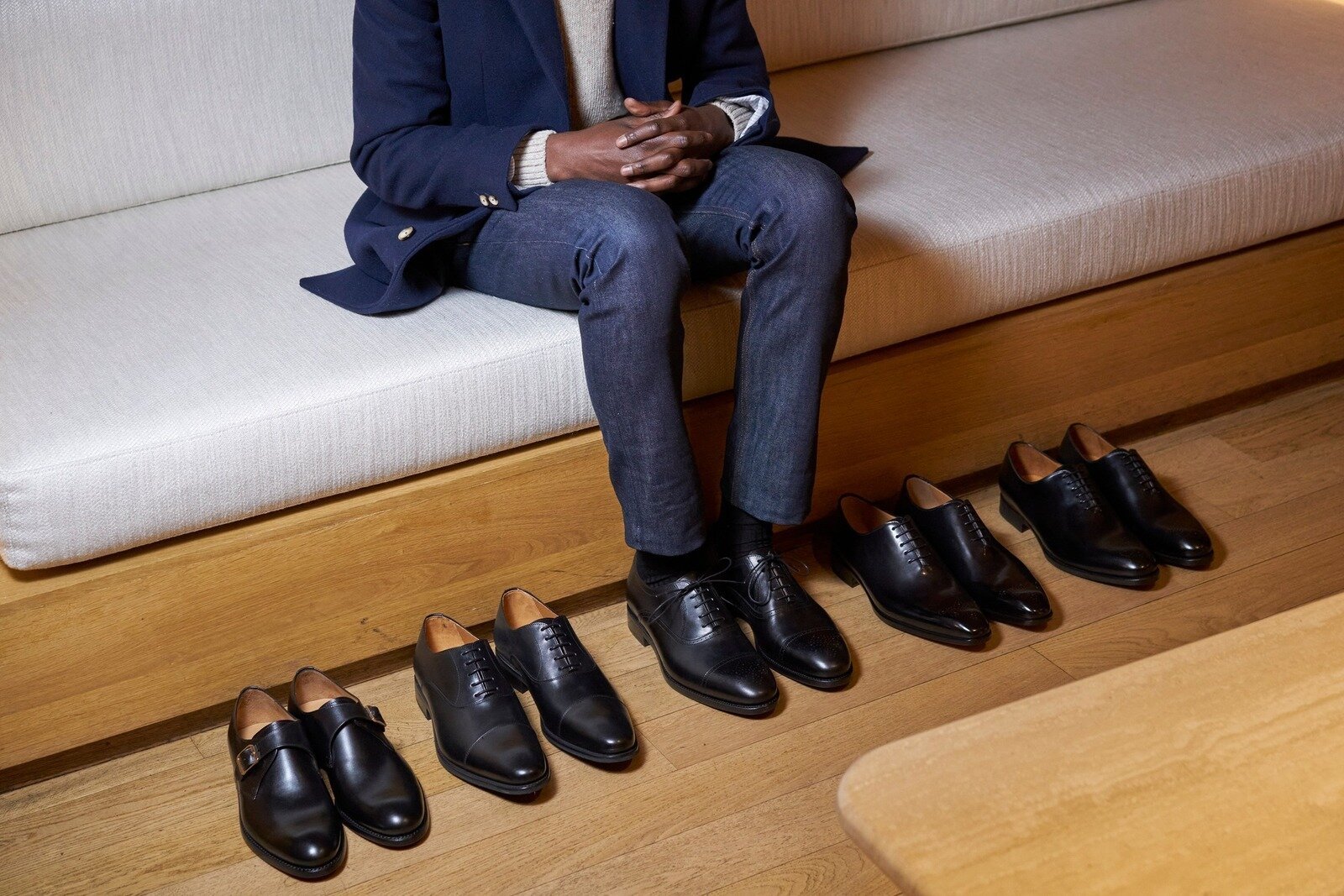
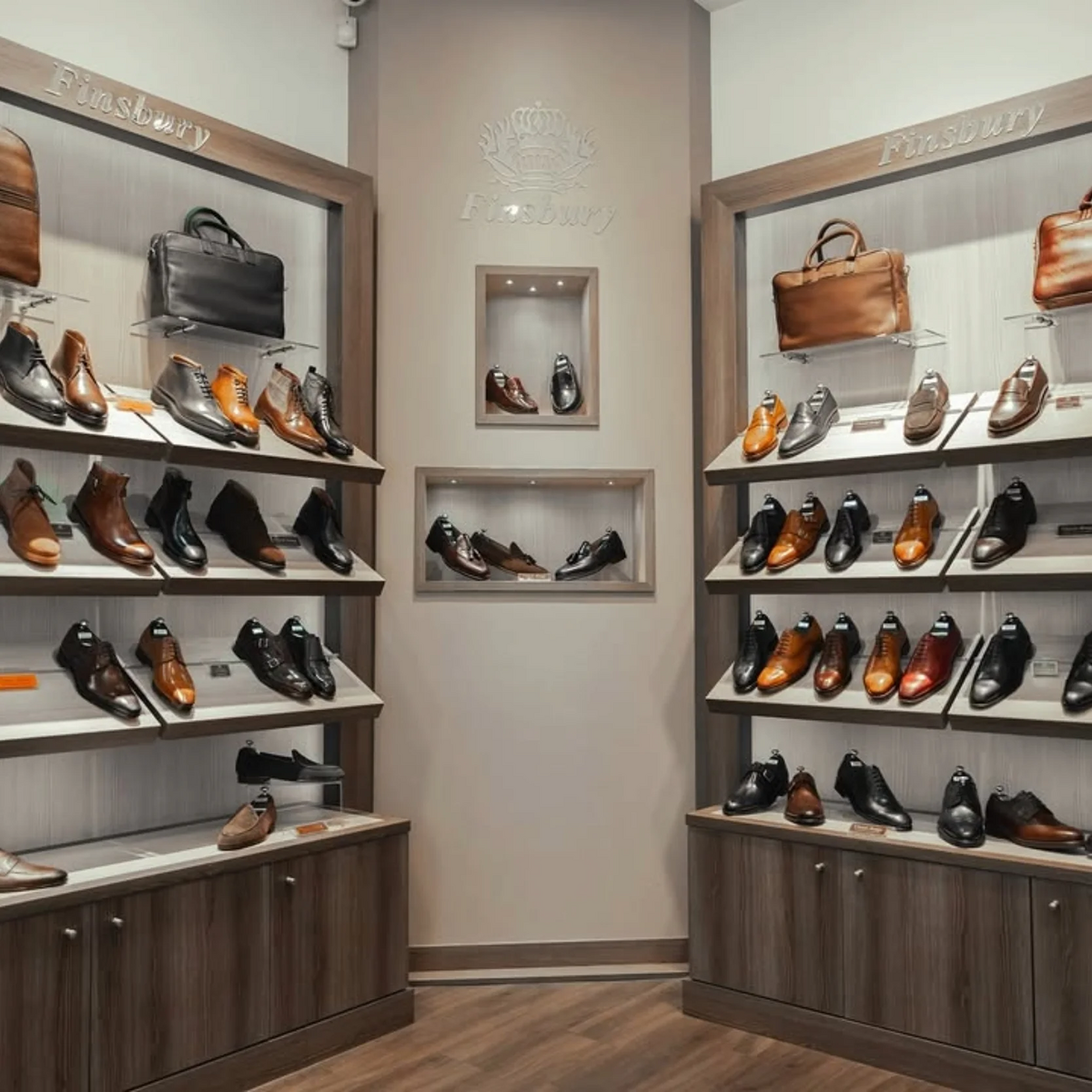
A French footwear brand expanding through franchising, offering structured entry into premium shoe retail with established operational standards.

In this article you will learn
• Overview of a European footwear brand developing retail outlets through business partnerships.
• Information about the size of the store network and planned international growth directions.
• Summary of entry costs, investment levels and regular franchise payments.
• Explanation of training, operational guidance and daily management expectations for partners.
• Insight into possible sales performance and key duties connected with running a branded store.
Finsbury operates in the design, production and retail distribution of premium men’s footwear. The company focuses on classic and contemporary leather shoes positioned in the mid-to-high market segment. Its franchise model combines vertically integrated product development with standardized retail operations, allowing partners to offer collections designed and manufactured under central brand control.
The franchise concept is structured around boutique-style stores located in high-traffic commercial areas and shopping centers. The brand’s differentiation relies on consistent product quality, centralized supply chains and predefined merchandising standards. Franchisees operate within a uniform brand environment supported by seasonal collections and coordinated marketing strategies.
International presence and network development
The company operates a network of more than 75 retail stores, including both franchised and company-owned locations. The brand’s boutiques are primarily concentrated in France and Western Europe, with additional international presence across several countries and major urban retail markets.
The franchise network has grown steadily since 2011, expanding beyond domestic operations into selected international territories. Future development plans include selective expansion into additional European and global markets through franchise partnerships. The growth strategy prioritizes operators capable of managing flagship stores or multi-unit regional portfolios while maintaining brand positioning and operational consistency.
Franchise entry requirements, financial structure and operational responsibilities
Becoming a franchisee typically requires prior retail or commercial management experience and the ability to operate within established brand guidelines. The entry process involves candidate evaluation, location approval, store design planning and completion of operational training programs before store opening.
The financial commitment includes an initial franchise fee generally ranging from approximately €20,000 to €30,000. Total initial investment, including store fit-out, initial inventory and operational setup, typically ranges between €150,000 and €250,000 depending on store size and location. Franchisees are also required to maintain adequate working capital for inventory replenishment and operational expenses.
Ongoing fees generally include royalty payments and marketing contributions, commonly structured as a percentage of revenue, often estimated between 3% and 5%, although exact figures may vary depending on market agreements and store performance parameters.
The company provides structured onboarding support that includes site selection assistance, store layout planning, staff training, product knowledge development and operational system implementation. Centralized logistics, marketing campaigns and seasonal product supply form part of continuing operational support.
Revenue potential depends on store location, market conditions and operational execution. Stores located in high-traffic premium retail zones are generally positioned to generate stable turnover supported by recurring seasonal collections and established brand recognition.
Franchisees are responsible for daily store operations, staff recruitment and management, local marketing execution, customer service standards and financial performance. They are also required to maintain brand merchandising guidelines and inventory standards defined by the franchisor.
Main conclusions
• The brand operates a retail network exceeding 75 stores, combining company-owned and franchised locations across several international markets.
• Initial investment requirements typically range between €150,000 and €250,000, with an additional franchise fee of approximately €20,000–€30,000.
• Ongoing operational costs include royalty and marketing fees usually estimated at 3–5% of revenue.
• The company provides structured onboarding, supply chain access and standardized retail procedures supporting network consistency.
• Expansion strategy focuses on further international growth through selected franchise partnerships in premium retail locations.

Shopping cart
Added to your shopping cart

Featured franchises
No featured franchises

Other concepts from sector fashion



Breaking news
Show all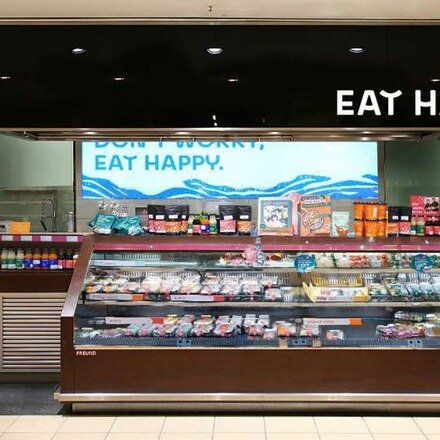
EatHappy Sushi
A scalable retail-based sushi concept integrated into supermarkets, combining high foot traffic, efficient operations, and consistent product...
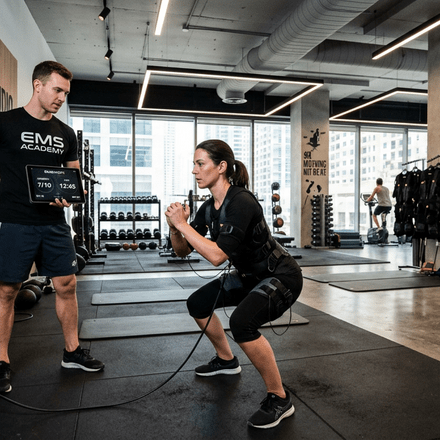
Iron Bodyfit
A fast-growing EMS fitness franchise offering time-efficient training, scalable studio models, and strong unit economics across European markets.
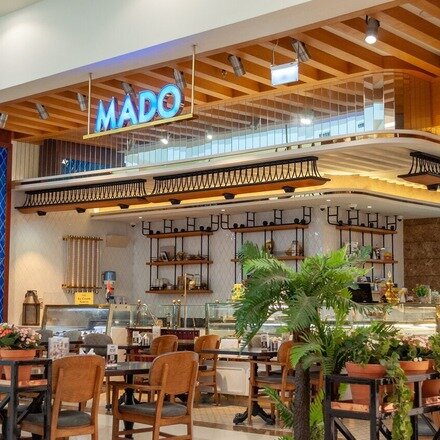
MADO franchise
A global Turkish dessert brand combining traditional Maraş ice cream, café culture, and scalable franchise opportunities across international markets.

Coffee Island
A fast-growing European coffee franchise combining specialty coffee expertise, proprietary roasting and a scalable retail concept designed for...