




A European coffee franchise
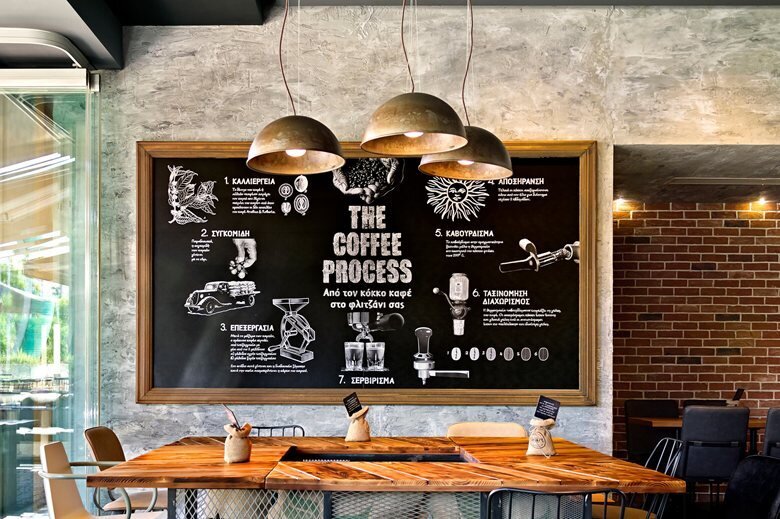

Founded in Greece, Flocafé has built a structured café franchise model combining brand consistency, multiple formats, and international expansion.

In this article you will learn
-
Overview of a European coffee brand operating through a structured franchise system.
-
Key facts about international presence, including markets inside and outside Europe.
-
Clear information on entry requirements, startup costs, and ongoing franchise fees.
-
Practical explanation of franchisee duties, operational support, and business expectations.
-
Outline of growth strategy and future international development plans.
Flocafé operates in the coffeehouse and casual foodservice sector. The company focuses on espresso-based beverages, coffee blends developed for the brand, and a complementary food offer tailored to urban and high-traffic locations. Flocafé operates over 100 stores across its international network, highlighting the brand's strong presence in key markets. The franchise is positioned as a scalable café concept, offering several formats, including full-size coffee shops and smaller “to-go” or street units. The model is designed to adapt to different real estate environments such as city centers, shopping malls, transport hubs, and fuel stations.
The franchise system emphasizes standardized operations, defined store design, and centralized product sourcing, which distinguishes the brand within its segment.
International presence and expansion
Flocafé originated in Athens in 1994 and has since expanded beyond Greece through franchising and master franchise agreements. The network operates primarily in Greece, with additional locations in the Netherlands, the United Kingdom, Cyprus, Bulgaria, Hungary, Egypt, Qatar, and selected other markets. In some countries, the brand is present through partnerships with fuel station operators and travel-related retail formats. The company continues to position itself as a European brand with selective international growth, focusing on markets that support café culture and high footfall locations. Future expansion plans are typically pursued through regional franchise partners rather than direct ownership.
Franchise conditions, financials, and operations
Becoming a Flocafé franchisee generally requires entering into a franchise or master franchise agreement with the brand owner. Candidates are expected to demonstrate business capability, local market knowledge, and the ability to operate hospitality venues according to brand standards.
The initial investment varies by format and country. Publicly available franchise information indicates an estimated total investment starting from approximately €80,000–€150,000 for smaller formats, with higher capital requirements for full-size cafés depending on location, fit-out, and local costs.
Franchisees are typically subject to ongoing fees, which may include a royalty fee and marketing or brand contribution. These fees are usually calculated as a percentage of turnover and are specified in individual franchise agreements.
Support for new franchisees generally includes site evaluation guidance, store design standards, staff training, operational manuals, and initial marketing support. Ongoing assistance may cover supply chain access, quality control, and periodic operational reviews.
Revenue potential depends on factors such as location, format, operating hours, and local market conditions. The company does not publicly guarantee revenue or profit levels.
Franchisee responsibilities typically include day-to-day store management, staff recruitment, compliance with brand standards, local marketing execution, and financial performance of the unit.
Main conclusions
- Flocafé operates as a European coffee chain built on a structured and standardized franchise model.
- The brand’s growth strategy relies on selective international expansion through franchise and regional partner agreements.
- Entry into the network requires a clearly defined initial investment and recurring operational fees typical of the foodservice sector.
- The franchisor provides operational, training, and brand support, while day-to-day management remains the responsibility of the franchisee.
- Revenue performance is influenced primarily by location, store format, and local market conditions rather than guaranteed financial outcomes.
Years of market presence: 30+ years
Operation since the mid-1990s in the European café sector.
Countries of operation: 8+
Presence across Europe and selected international markets, including the Middle East and North Africa.
Estimated number of locations: 100+
Majority located in Greece, with additional international units.
Initial investment range: €80,000–€150,000+
Depending on store format, size, and market.
Franchise formats offered: 2–3
Including full-scale cafés and smaller “to-go” or street concepts.
Typical royalty and marketing fees: Percentage-based
Calculated from turnover, as defined in franchise agreements.
Primary expansion model: Franchise and master franchise
Growth driven by local partners rather than company-owned stores.
Core franchisee responsibilities: Operations, staffing, compliance
Full responsibility for daily management and financial performance.

Shopping cart
Added to your shopping cart

Featured franchises
No featured franchises

Other concepts from sector food and beverage


Breaking news
Show all
Diverse franchise expansion strategy
Diverse develops its franchise network through standardized retail operations, local market adaptation and selective international growth.

Cache Cache
A women’s fashion retail franchise combining fast product rotation, accessible pricing, and standardized store operations across international...
French taco boom
A fast-growing quick service brand built on customizable French tacos, strong unit economics, and scalable franchise expansion across...
EatHappy Sushi
A scalable retail-based sushi concept integrated into supermarkets, combining high foot traffic, efficient operations, and consistent product...