




























The business of New Year’s Eve fireworks

New Year’s Eve is peak season for fireworks worldwide. Seasonal franchise models show how a short sales window can deliver impressive returns.
New Year’s Eve is unlike any other night of the year. Across cultures and countries, fireworks symbolize celebration, renewal, and collective excitement. This tradition creates a unique commercial phenomenon: an extremely concentrated surge in demand occurring within a very short time frame. For businesses operating in the fireworks industry, the final days of December often generate a significant share of annual revenue.
In markets such as the United States, this predictable demand has encouraged the development of seasonal business models focused almost entirely on New Year’s Eve and other key dates. Temporary fireworks stands, pop-up stores, and licensed sales points appear weeks before December 31, serving customers who are already motivated to buy. The reliability of this demand makes New Year’s Eve an ideal anchor for a franchise-based approach.
How seasonal fireworks franchises operate
Unlike traditional franchises that operate year-round, fireworks franchises are typically designed as short-term, high-intensity ventures. Franchisees usually gain access to a recognized brand, a certified product portfolio, supplier relationships, logistics support, and operational guidelines. In return, they commit to running sales locations during a strictly defined seasonal window.
This model offers several advantages. Fixed costs remain relatively low because premises are temporary and staffing needs are limited to peak weeks. Inventory is standardized and often managed centrally, reducing risk for individual operators. Most importantly, the franchise structure allows even inexperienced entrepreneurs to enter a highly regulated industry with proven systems and compliance support.
Because New Year’s Eve demand is both emotional and impulsive, strong branding and clear product presentation play a crucial role. Franchises benefit from brand recognition and consumer trust, which are essential when selling products tied to safety and legal compliance.
Future potential and European perspectives
In Europe, formal fireworks franchises are far less common, largely due to stricter regulations and country-specific legal frameworks. However, the underlying market conditions are similar: New Year’s Eve remains the most important sales period, and consumer demand has not disappeared despite growing restrictions.
This creates an interesting opportunity. As regulations push out informal or unlicensed sellers, professionally organized, compliant, and branded sales concepts may gain importance. Seasonal franchising could offer a controlled and transparent alternative to fragmented retail, particularly in countries where fireworks sales are limited to specific dates.
In the long term, the model may also evolve beyond traditional fireworks. Some franchises are already combining pyrotechnics with light shows, stage effects, or eco-friendly alternatives, aligning New Year’s Eve celebrations with changing social expectations. For entrepreneurs, this suggests that seasonal franchises tied to major calendar events can remain relevant—provided they adapt to regulation, safety, and sustainability trends.

Shopping cart
Added to your shopping cart

Featured franchises
No featured franchises

Other concepts from sector consumer services


Breaking news
Show all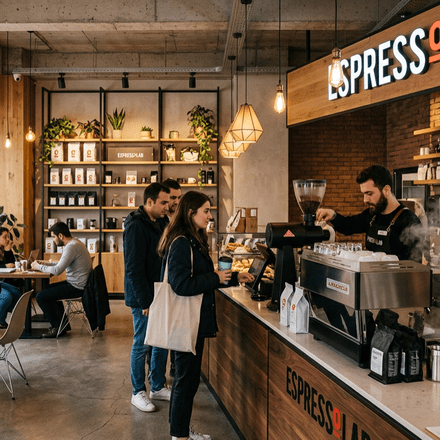
Espressolab expansion
A fast-growing specialty coffee brand from Turkey is scaling internationally through a structured franchise model and premium positioning.

Diverse franchise expansion strategy
Diverse develops its franchise network through standardized retail operations, local market adaptation and selective international growth.

Cache Cache
A women’s fashion retail franchise combining fast product rotation, accessible pricing, and standardized store operations across international...
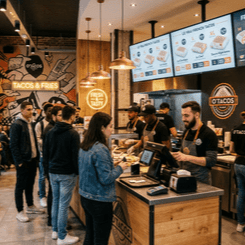
French taco boom
A fast-growing quick service brand built on customizable French tacos, strong unit economics, and scalable franchise expansion across...