























Basic-Fit expansion
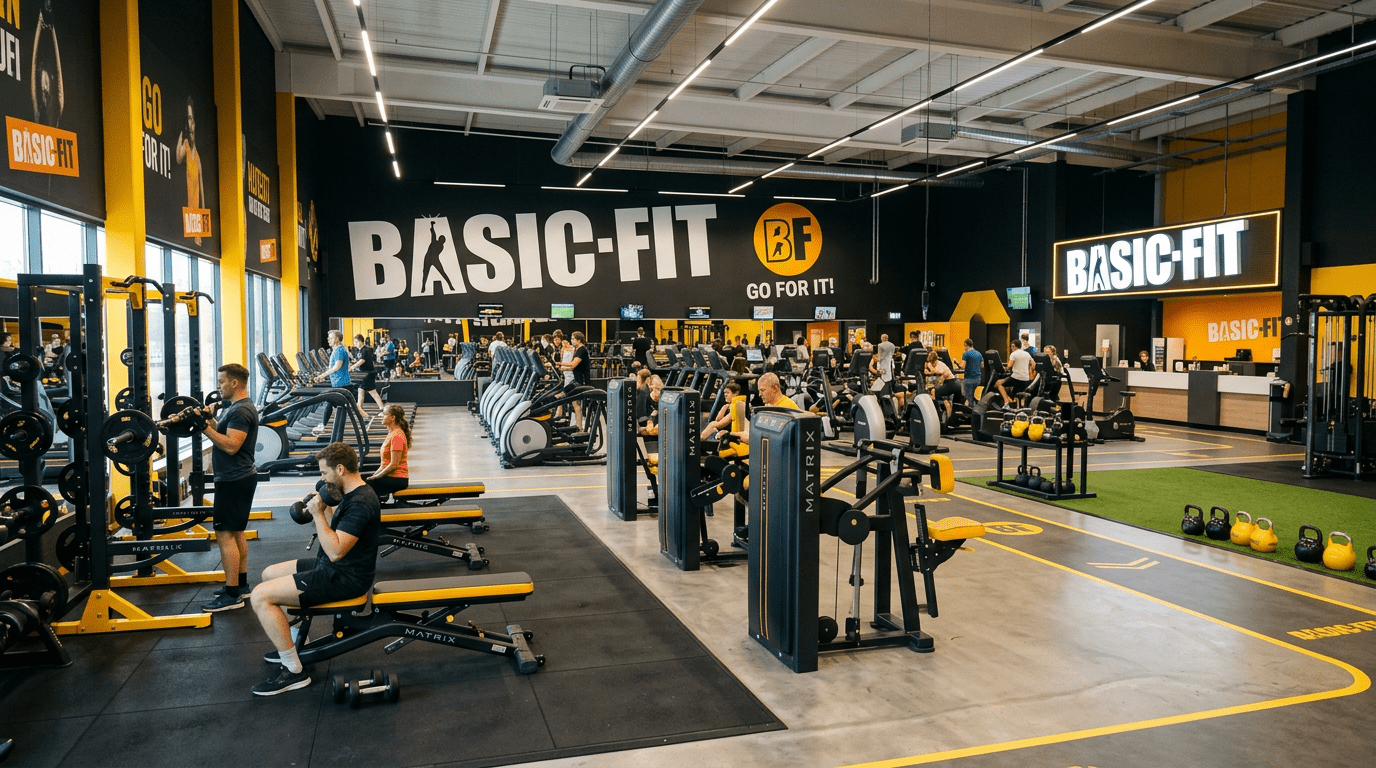
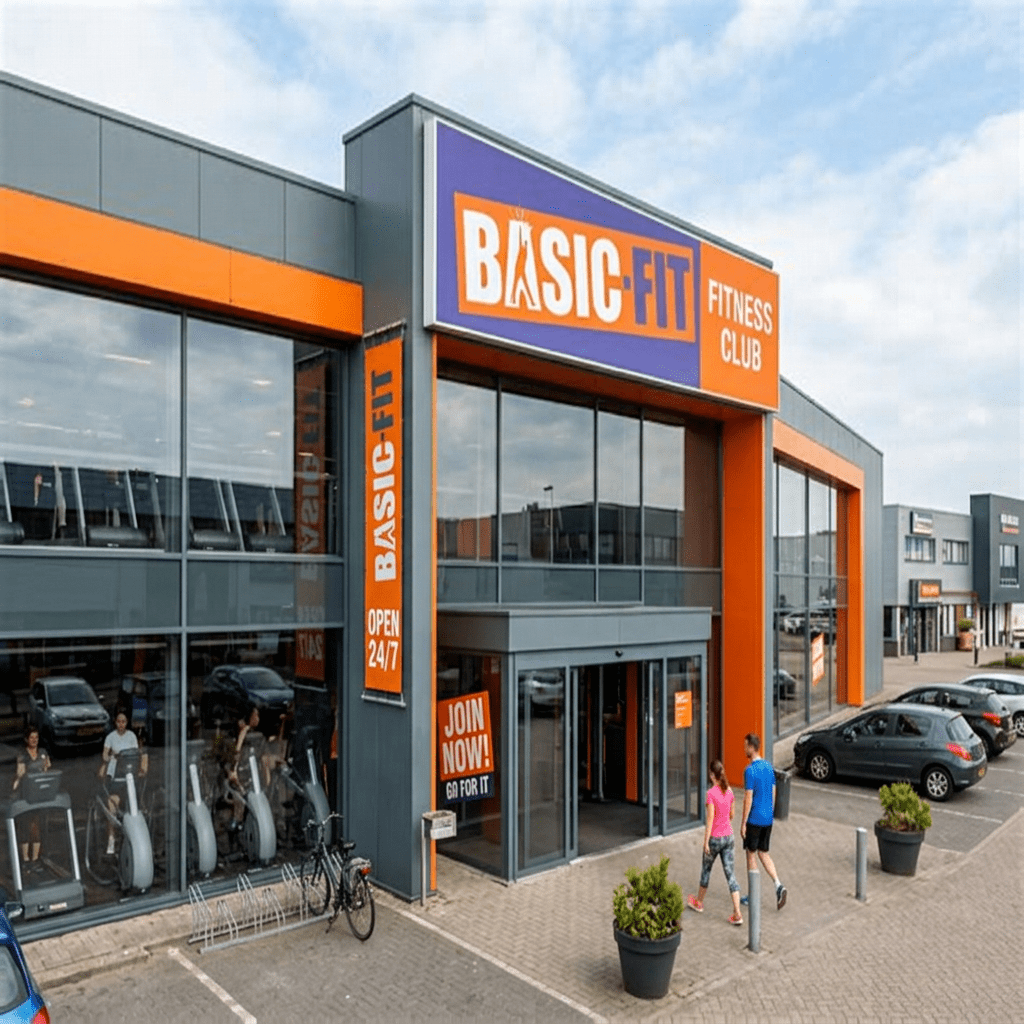
One of Europe’s largest fitness operators continues to scale through a standardized, technology-driven low-cost gym model.

In this article you will learn
- Large-scale fitness chain and its low-cost operating approach
- Presence across multiple European markets and expansion focus
- Entry options, investment size, and partnership structure
- Cost model, support system, and day-to-day management
- Income range and performance potential of fitness clubs
Basic-Fit is a European fitness chain built around a low-cost, high-volume model that offers accessible gym memberships supported by digital tools and automated operations. The concept focuses on large-format clubs with standardized layouts, extended opening hours, and limited staffing, allowing for cost efficiency and scalability. What differentiates the brand is its strong integration of technology, including mobile app access, virtual classes, and data-driven membership management, combined with a consistent value proposition across all locations.
Global presence and expansion
Basic-Fit operates extensively across Europe, with a strong presence in countries such as the Netherlands, Belgium, France, Spain, and Germany. The company manages over 1,200 clubs and serves millions of members, primarily in urban and suburban areas with high population density. Its expansion strategy is focused on organic growth through company-owned clubs, as well as selective partnerships, targeting markets with increasing demand for affordable fitness solutions.
Franchise requirements and economics
Basic-Fit primarily operates a corporate-owned model; however, partnership structures similar to franchising may be available in selected markets. The investment required to open a standard club typically ranges from €1 million to €2.5 million, depending on location, size, and fit-out requirements. Ongoing costs include operational expenses, marketing contributions, and technology fees aligned with the centralized system. The company provides support in site selection, club design, equipment sourcing, staff training, and operational systems integration. Annual revenues per club can range from €1.2 million to €3 million, with EBITDA margins typically between 25% and 35% due to the efficiency of the low-cost model. Operators are responsible for daily club management, membership growth, local marketing, and maintaining brand and service standards. Basic-Fit continues to expand across Europe, with plans to further increase its network and enter additional markets where demand for affordable fitness remains strong.
Main conclusions
The required investment typically ranges from €1 million to €2.5 million, reflecting a capital-intensive entry model. Annual revenues per club can reach approximately €1.2 million to €3 million, depending on location and membership base.
EBITDA margins are estimated at 25–35%, supported by a low-cost and highly scalable operating model. The network exceeds 1,200 clubs across Europe, indicating strong market penetration and brand recognition.
Centralized systems and automation contribute to operational efficiency and effective cost control. Continued expansion across Europe suggests ongoing growth opportunities in underserved markets.

Shopping cart
Added to your shopping cart

Featured franchises
No featured franchises

Breaking news
Show all
Espressolab expansion
A fast-growing specialty coffee brand from Turkey is scaling internationally through a structured franchise model and premium positioning.

Diverse franchise expansion strategy
Diverse develops its franchise network through standardized retail operations, local market adaptation and selective international growth.

Cache Cache
A women’s fashion retail franchise combining fast product rotation, accessible pricing, and standardized store operations across international...
French taco boom
A fast-growing quick service brand built on customizable French tacos, strong unit economics, and scalable franchise expansion across...