































Key franchise questions

Franchising attracts thousands of new candidates each year—but the smartest decisions begin with asking the right questions early.

In this article you will learn
-
How to evaluate a franchise opportunity before making a commitment
-
What costs and financial obligations new franchise owners should expect
-
How franchisor support works in real business situations
-
What skills matter most for running a franchise successfully
-
How to decide if franchising fits your goals and working style
As franchising continues to grow as a preferred path to business ownership, prospective franchisees are becoming more informed and selective. Today’s candidates are not only interested in brand strength, but also in transparency, support, and long-term viability. The questions they ask reveal how the franchising market is evolving—and what truly matters for sustainable success.
Risk, reality, and the myth of “guaranteed success”
One of the most common questions in franchising is whether it offers a safer alternative to starting a business from scratch. From an industry standpoint, franchising does not eliminate risk—it structures it. A proven concept and established brand reduce certain uncertainties, but performance still depends on execution, location, and local market conditions.
Experienced professionals understand that franchising works best for operators who respect systems while taking full responsibility for day-to-day management. This distinction is often overlooked by first-time candidates and remains a key factor separating high-performing franchisees from underperforming ones.
Financial awareness beyond the initial franchise fee
Modern franchise candidates are asking more sophisticated financial questions than ever before. Instead of focusing solely on the franchise fee, they increasingly examine total investment, ongoing royalties, marketing contributions, and realistic timelines to profitability.
This shift reflects a healthier, more analytical mindset. Understanding cash flow, working capital requirements, and cost structures is essential for long-term sustainability. From an industry perspective, well-informed candidates tend to make better partners and contribute to stronger franchise networks overall.
Support, fit, and long-term alignment
Another recurring theme in franchise-related questions concerns support. Candidates want clarity on what franchisor support looks like in practice—beyond onboarding and initial training. Ongoing operational guidance, marketing effectiveness, and accessibility of the support team are now critical evaluation criteria.
Equally important is personal fit. Franchising is not ideal for individuals seeking full autonomy or constant innovation outside defined systems. The most successful franchise relationships are built on alignment—of expectations, values, and long-term goals—between franchisor and franchisee.
Main conclusions
-
Franchising reduces early-stage uncertainty, but does not remove business risk—operational discipline remains critical.
-
Total investment matters more than the entry fee—ongoing costs and cash-flow planning directly impact long-term viability.
-
Effective franchisor support is continuous, not limited to initial training or launch phases.
-
Management and financial skills outweigh industry background in determining franchise performance.
-
Alignment between franchisor systems and franchisee expectations is a key predictor of sustainable growth.

Shopping cart
Added to your shopping cart

Featured franchises
No featured franchises

Breaking news
Show all
Cache Cache
A women’s fashion retail franchise combining fast product rotation, accessible pricing, and standardized store operations across international...
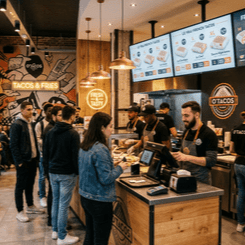
French taco boom
A fast-growing quick service brand built on customizable French tacos, strong unit economics, and scalable franchise expansion across...

EatHappy Sushi
A scalable retail-based sushi concept integrated into supermarkets, combining high foot traffic, efficient operations, and consistent product...

Iron Bodyfit
A fast-growing EMS fitness franchise offering time-efficient training, scalable studio models, and strong unit economics across European markets.